The Hospital of the Future: Fully Digital
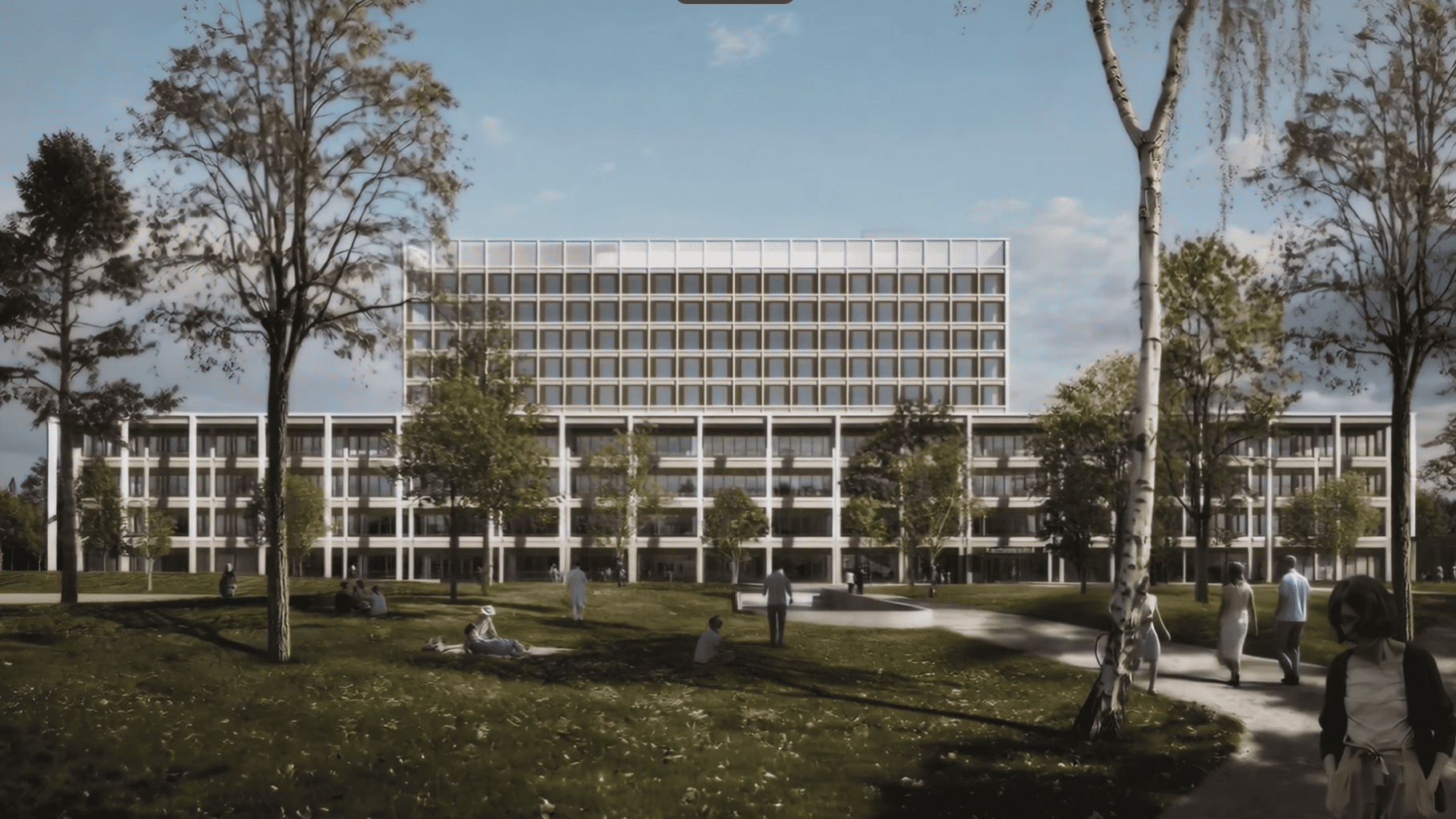
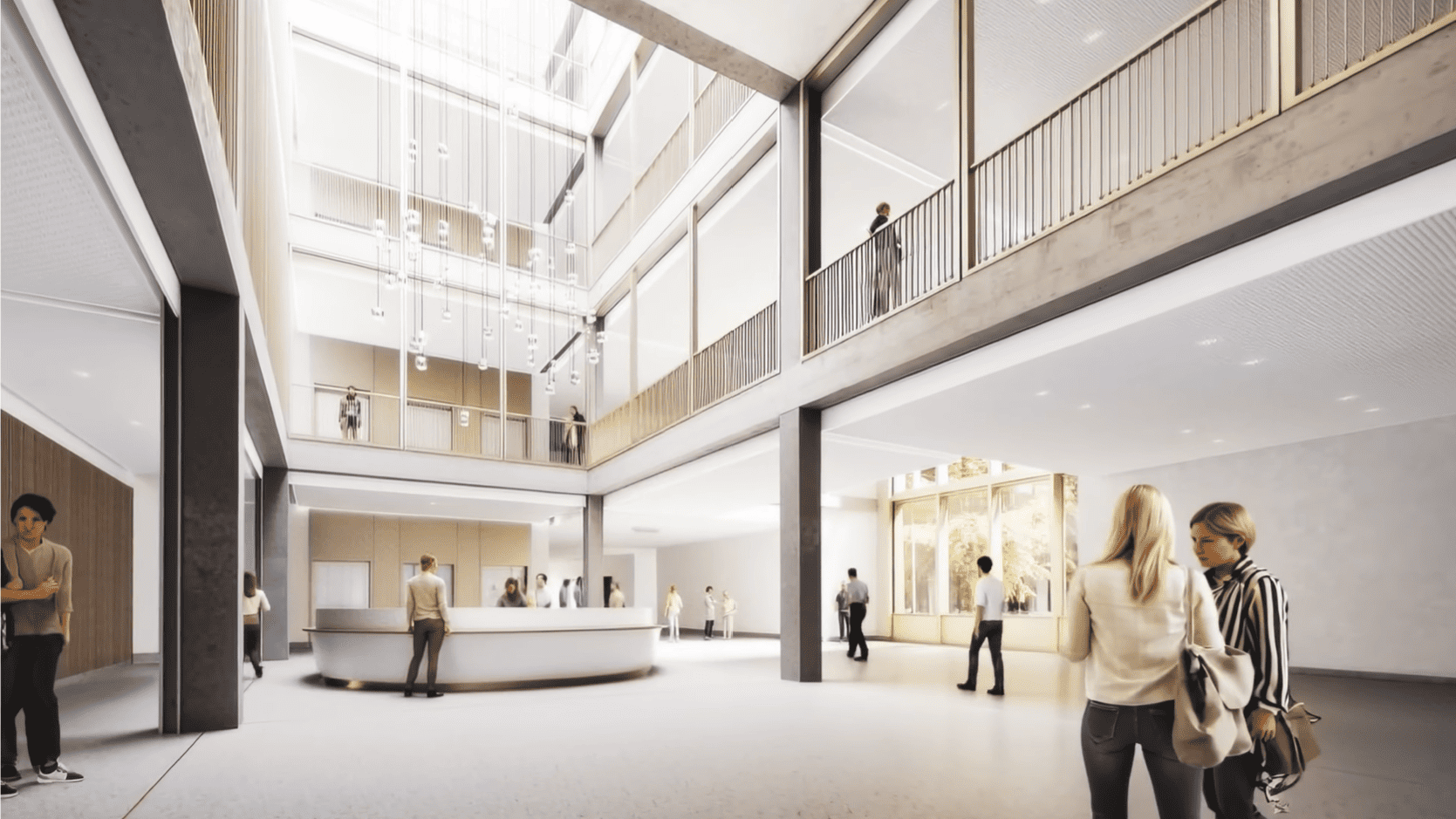
New "Dreiklang" Building at the Aarau Cantonal Hospital: This Is Where the Hospital of the Future Will Be Built
Identifying Risks Early
Sandra Malicki, deputy general project manager and planning manager for the project at Implenia, emphasizes: “With the TU model, the client has a single point of contact with clear responsibilities. The process is designed to ensure that risks are identified early on and decisions can be made easily.”
General Contractor: High Standards in Engineering and Construction
“A project as large as the Dreiklang needs a general contractor as a partner who can operate at a very high level both technically and in terms of construction,” explains Claudia Drahotta, architectural project manager at the PB/WTR consortium and managing director of Wörner Traxler Richter. “With Implenia, we have a partner that has supported us at a very high level in BIM planning and is also capable of handling such a large project during construction.”
BIM for Efficient Collaboration
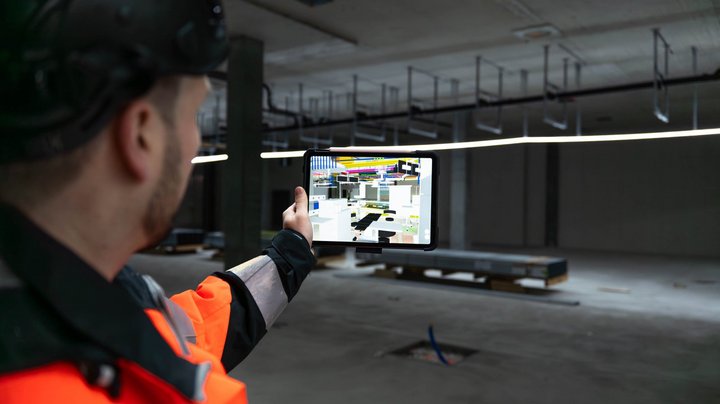
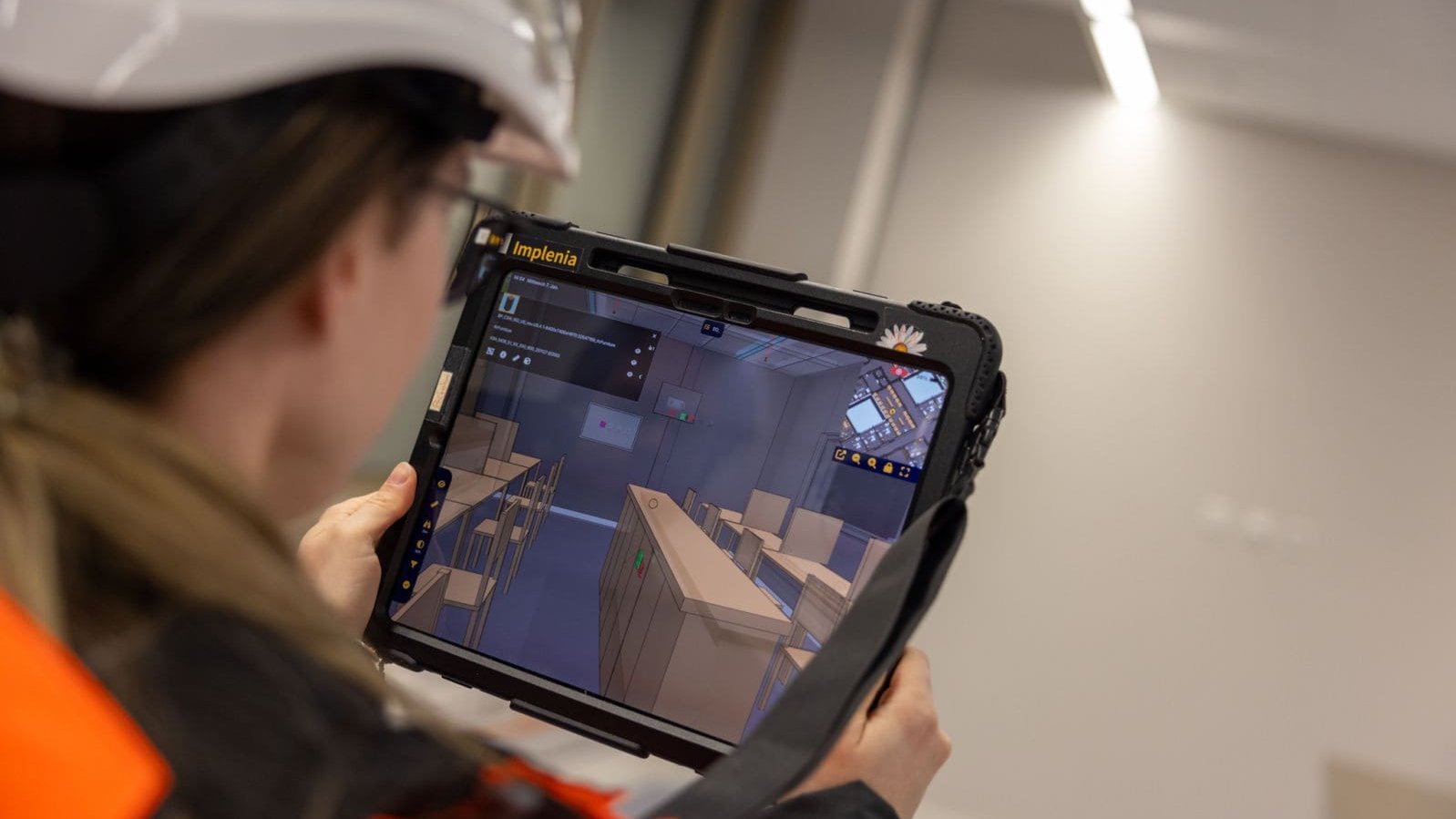
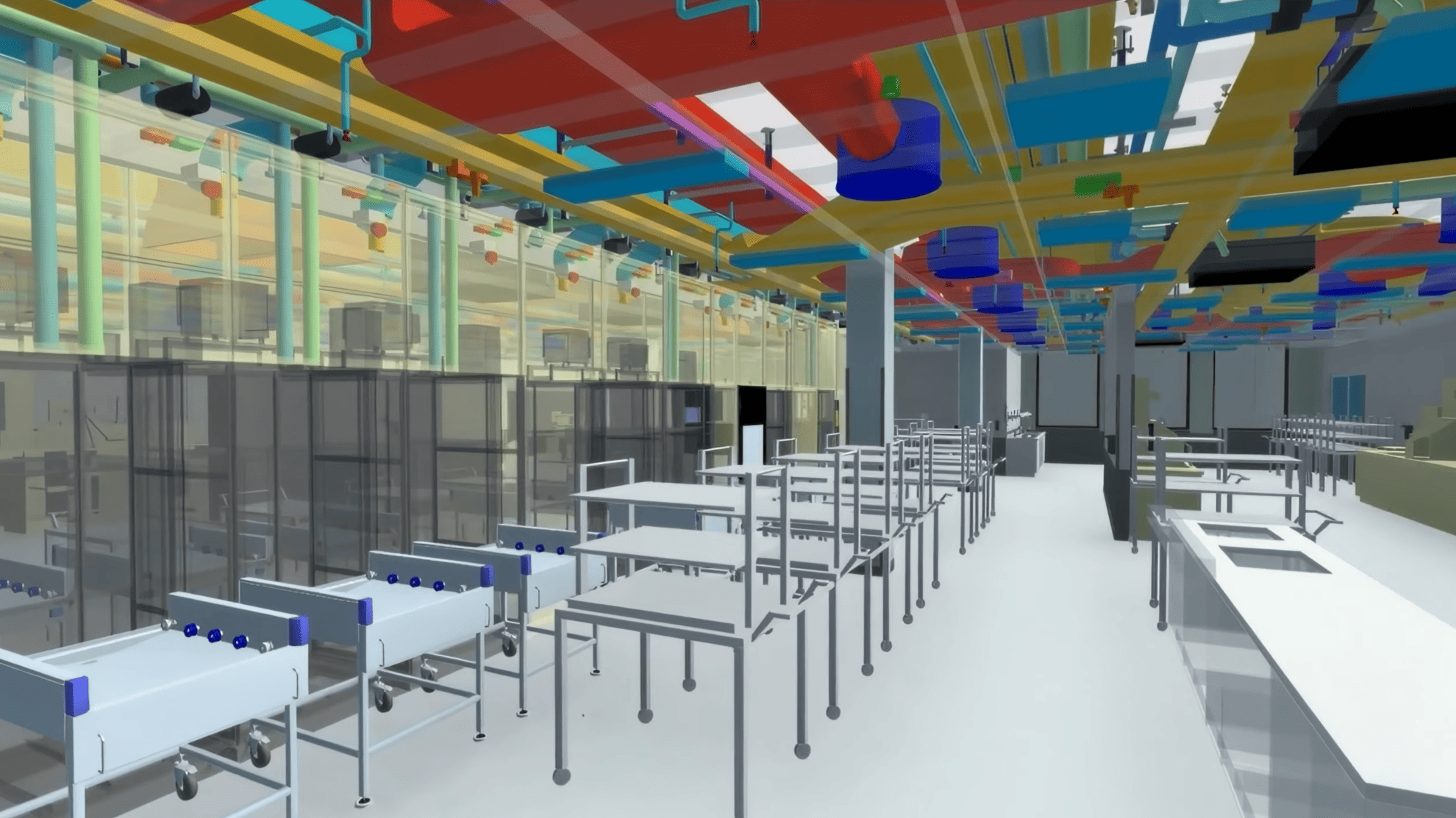
Patric Sommer, Senior BIM Manager at Implenia, explains: “The fundamental challenge with such a large, complex project is that all parties involved must collaborate efficiently. The users involved, designers, contractors, and the client—that’s a lot of people who all need to collaborate. This is where the digital methodology, BIM (Building Information Modeling), plays a very important role.”
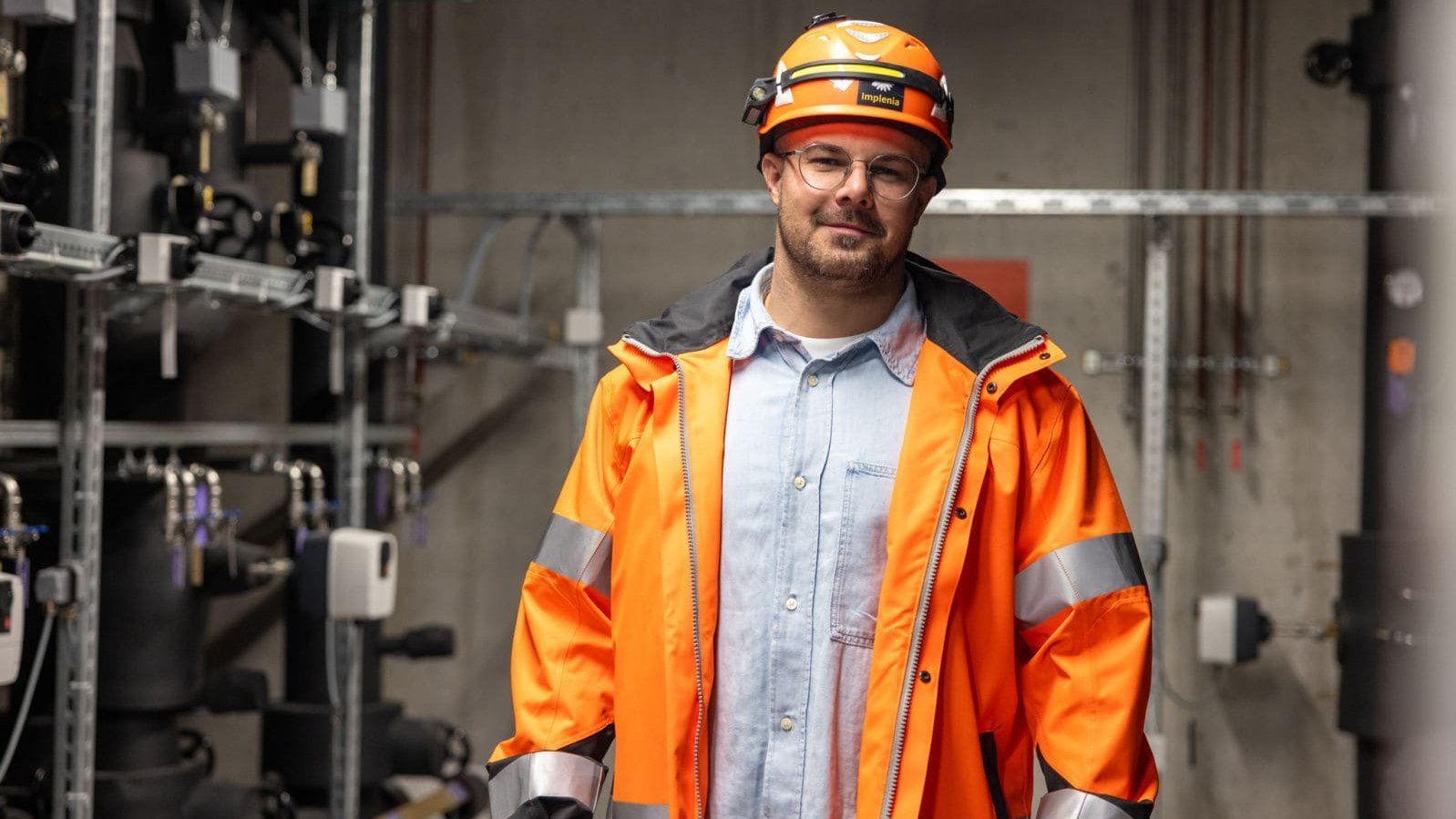
BIM Makes Complex Interfaces Visible
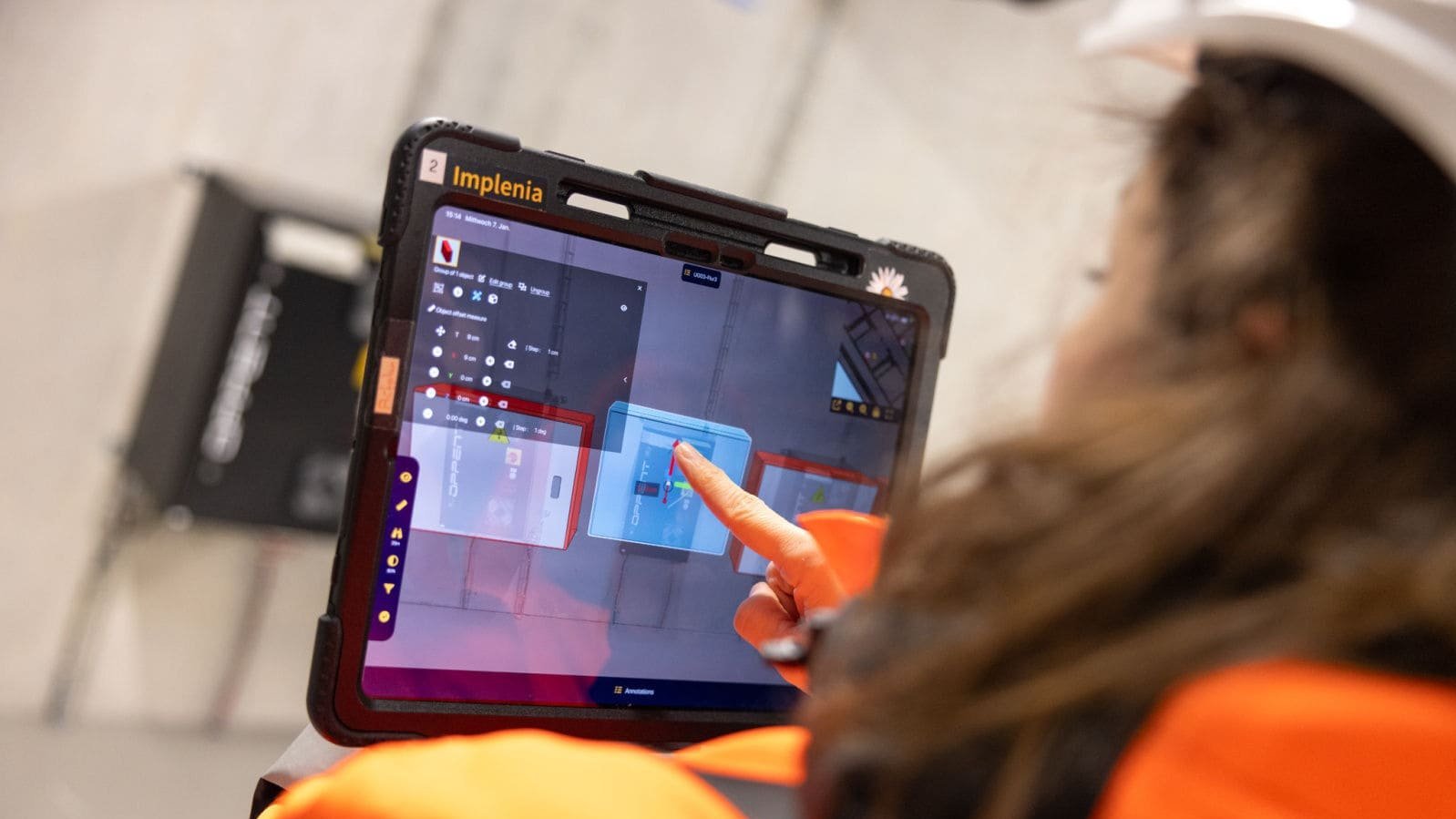
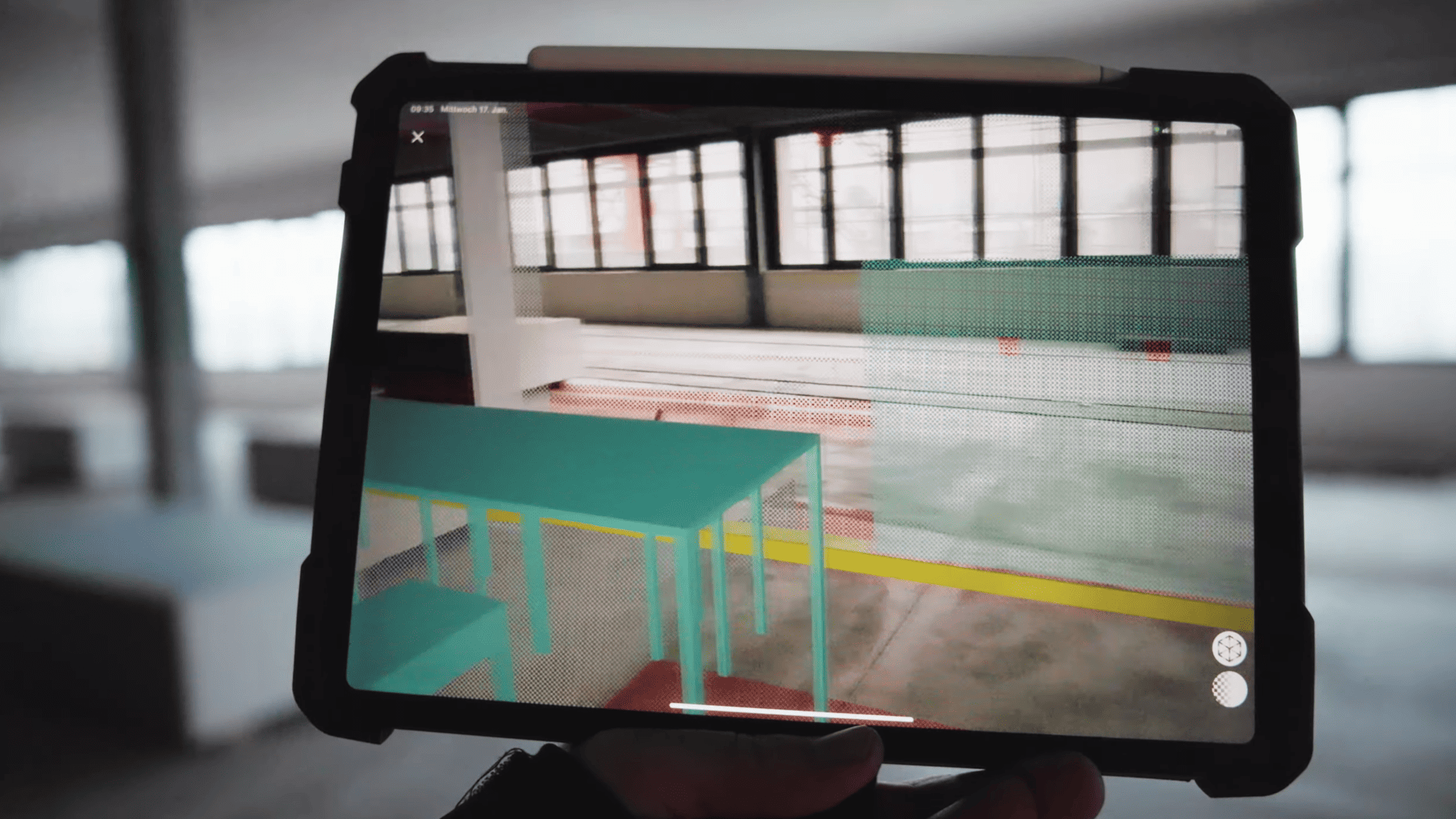
He describes the added value of the BIM methodology as follows: “Especially in complex areas such as those with highly sophisticated medical technology or a technical control center, you can identify the complex interfaces very early on. Everyone works in a shared digital space, which ensures a smooth construction process.”
Optimizing processes with all stakeholders early on
Sandra Malicki describes how this works in practice: “We involve the users in the project early on by gathering medical and operational requirements through a structured project organization. This allows these requirements to be incorporated into the planning at an early stage and subsequently into the implementation as well. In this way, we can work with our partner contractors to develop implementation options and optimize processes, thereby achieving high quality and good adherence to schedules on the construction site.”
Models Reduce the Error Rate
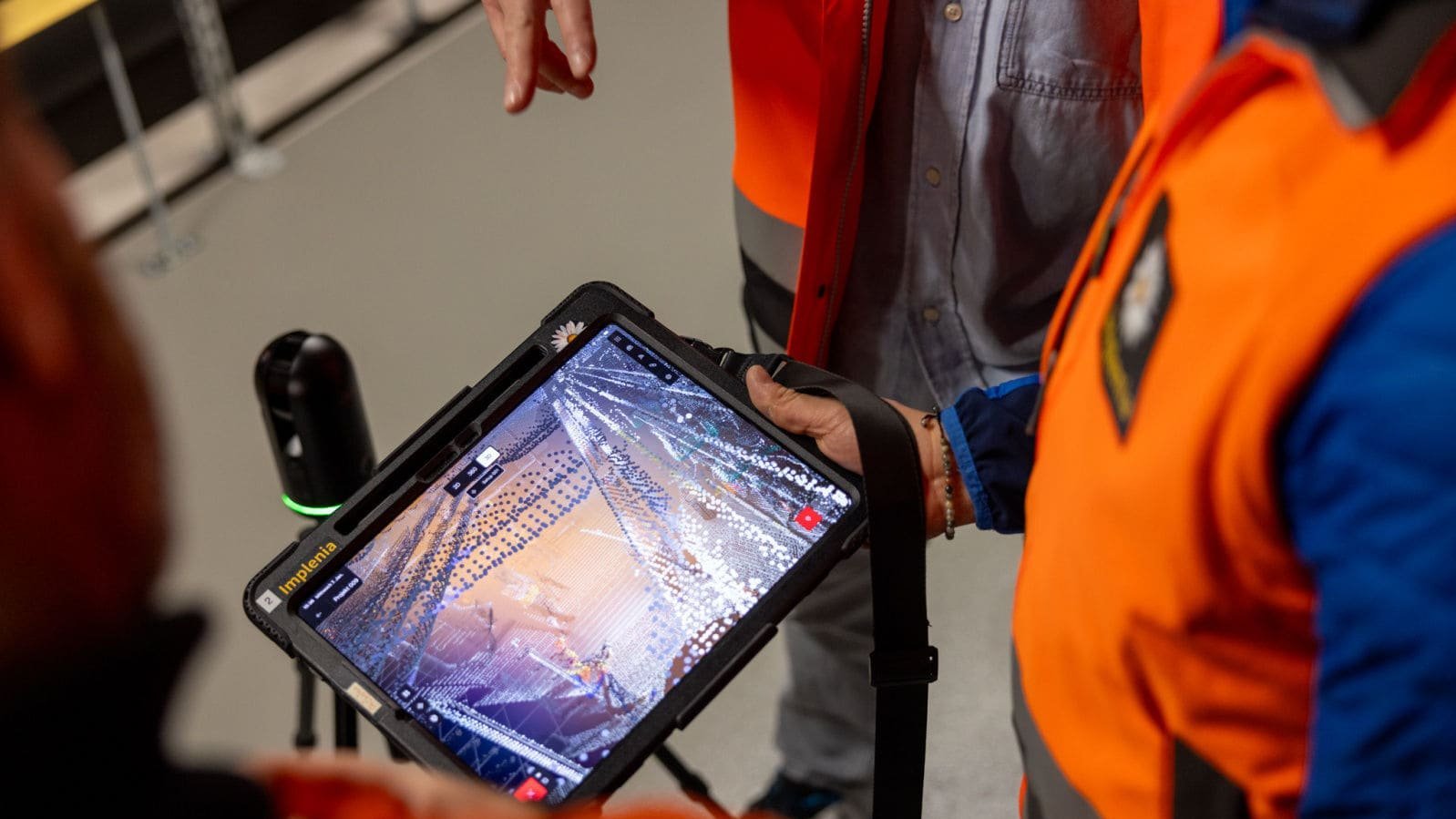
Urs Baumann, Senior Project Manager for Heating/Cooling at Hälg & Co. AG, describes his experience as a partner contractor on the project: “Thanks to the models, it was clear to us what needed to be built. All trades were coordinated and clearly showed us what was required. This drastically reduced the error rate.”
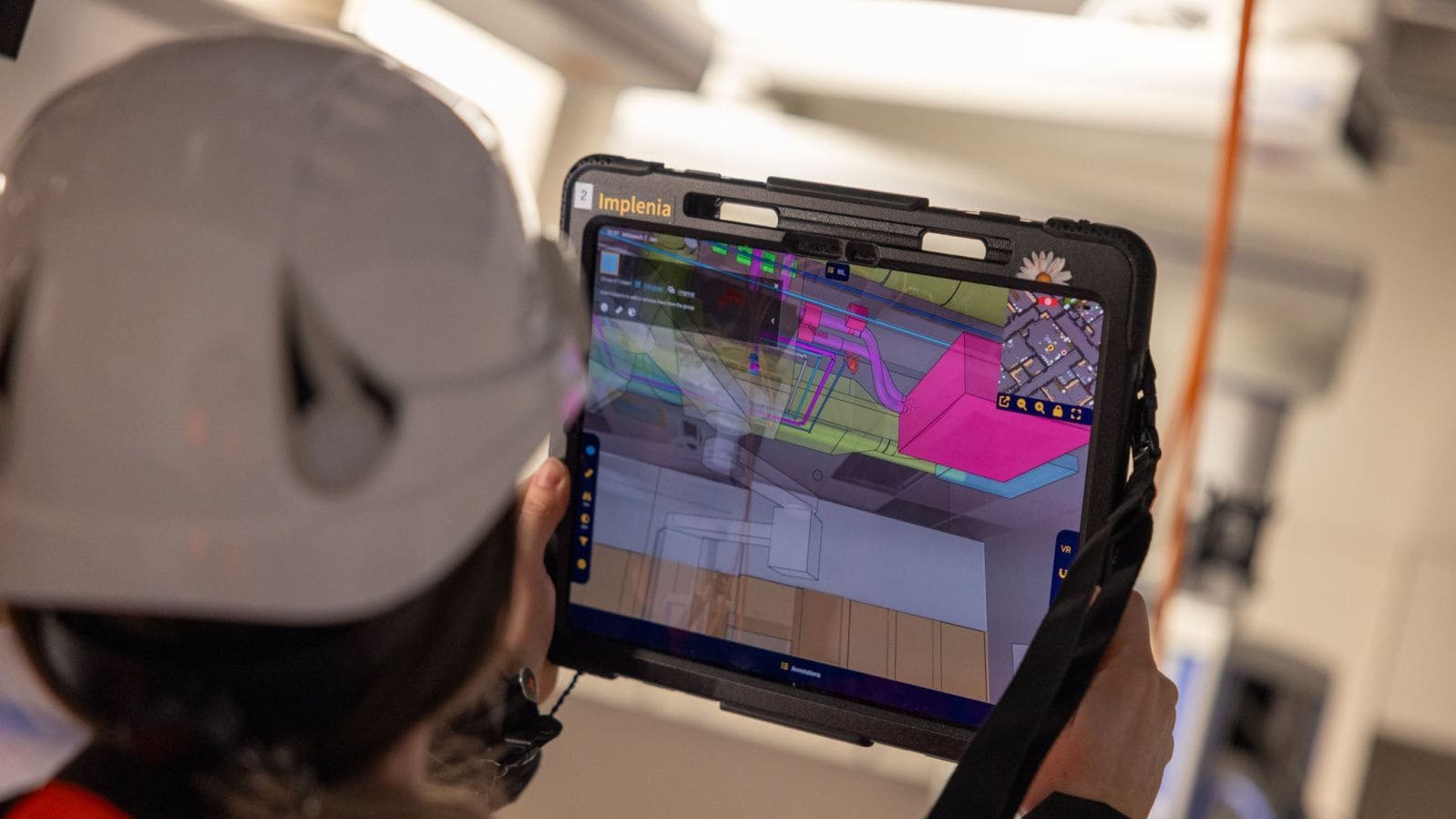
Models Reduce Error Rates
And Roland Graf, Partner and Zurich Office Manager at Kalt + Halbeisen Ingenieurbüro AG, adds: “We are particularly proud that, for this project, our design could be directly incorporated into the contractor’s on-site installation planning, thereby ensuring a smooth process.”
Digital Twin for Building Operations
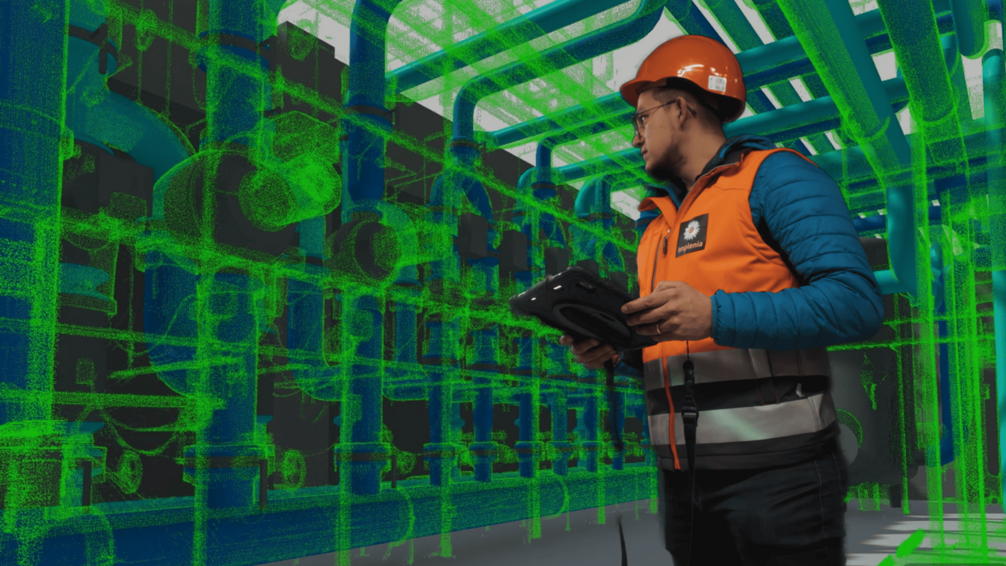
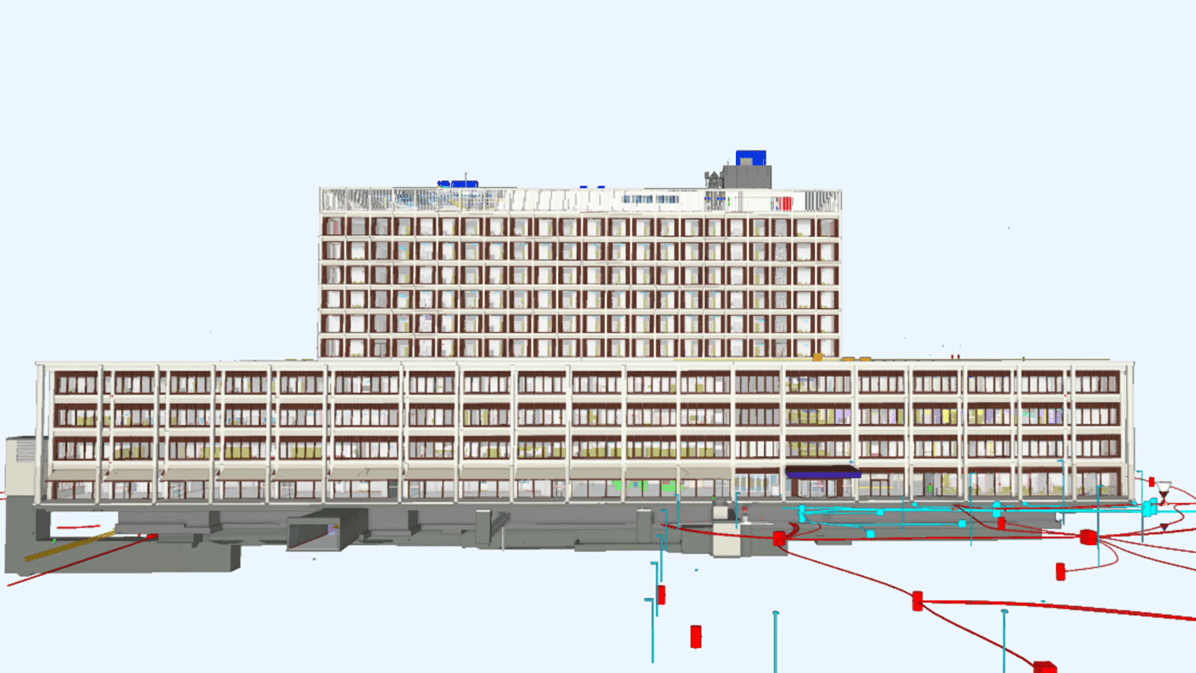
Patric Sommer emphasizes the benefits of the BIM methodology even beyond the construction phase: “With the digital building documentation—inspection documents linked to manufacturer information and, above all, to the BIM model—we provide the foundation for the digital twin for the future building operations of the Dreiklang.”
Foundation for Future Development
Martin Schelshorn, Digital Twin Project Manager at Kantonsspital Aarau AG, confirms this: “Our digital building data provides a structured and reliable foundation for facility management, maintenance planning, carrying out maintenance work, and promptly resolving malfunctions. The digital foundation we’ve created will also help us in the future as we continue to develop and adapt our hospital.”
A Success: We’ve Built a Flagship Project
The new hospital building is entering its final phase—prompting Daniel Hauswirth, project manager for architecture at ARGE BP/WTR, a partner at Burckhardt Architektur AG, to take stock: “We’re very pleased with this showcase project. When we started the project, we set out to build a flagship project, and I believe we’ve succeeded.”
Goal Achieved, Vision Fulfilled
Claudia Drahotta agrees: “The greatest fulfillment for me as an architect is when future users who are now touring the project to see how it turned out walk out feeling proud and happy because they’ve found themselves here, and what we developed together six years ago now fits them perfectly, and they say, ‘This is exactly what I wanted.’”
“We can all be proud together”
The most important endorsement comes from the client, KSA CEO Markus Meier: “I’m convinced we can all be proud together. You could tell that from everyone involved: It wasn’t just a job—it was a calling. We wanted to build a modern hospital together. This isn’t just any short-term project; it requires 100% trust. You have to be able to rely on one another. And that’s exactly what we found in Implenia as our partner.”
The New KSA Building “Dreiklang” at a Glance
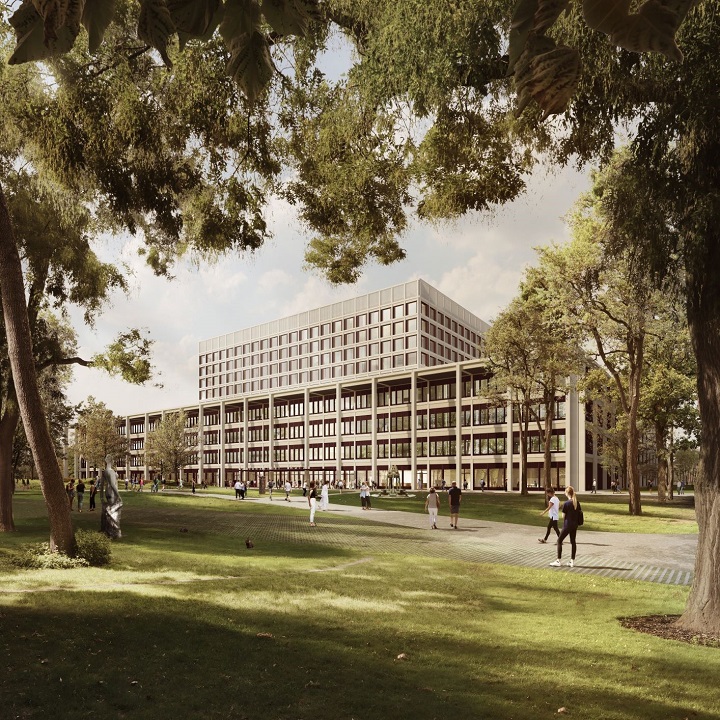
- The design concept for the new Aarau Cantonal Hospital emphasizes functionality and short distances for staff and patients.
- With a floor area of approximately 110,000 square meters, the facility will eventually house 472 inpatient beds, 130 day-care slots, and 21 operating rooms.
- The new building is divided into three main areas: outpatient clinics, functional areas, and inpatient wards. Nevertheless, these areas form a unified whole within the overall structure.