Gotthard Tunnel: Perfect interaction for a breakthrough
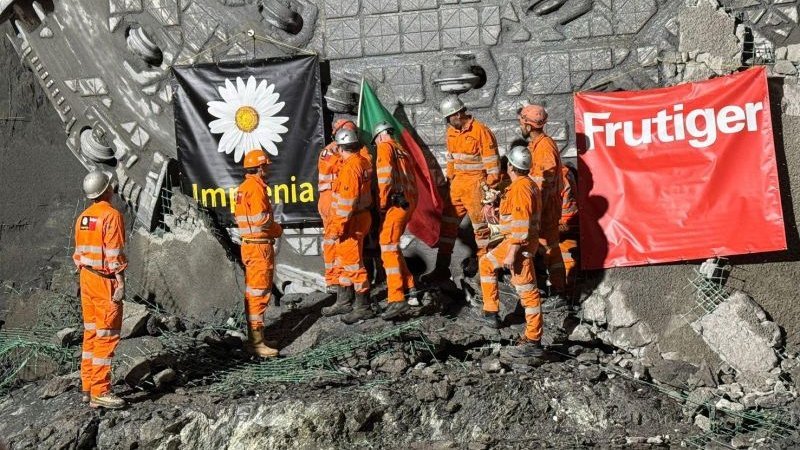
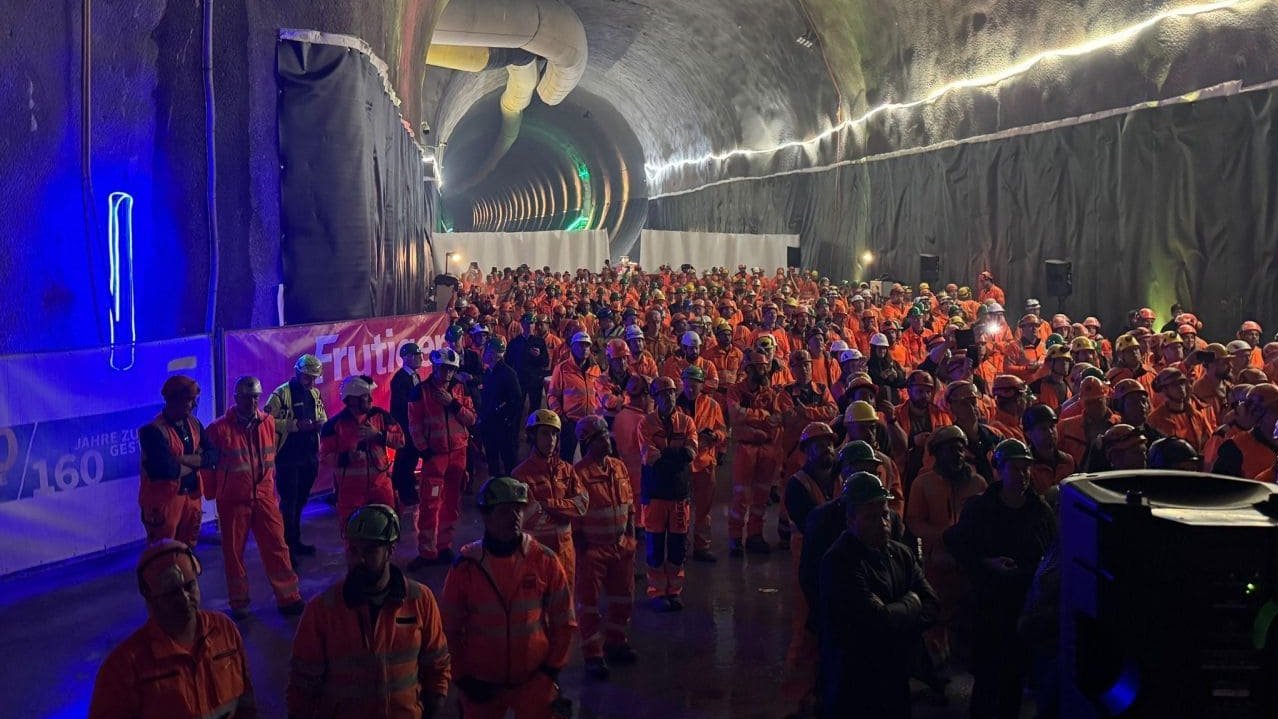
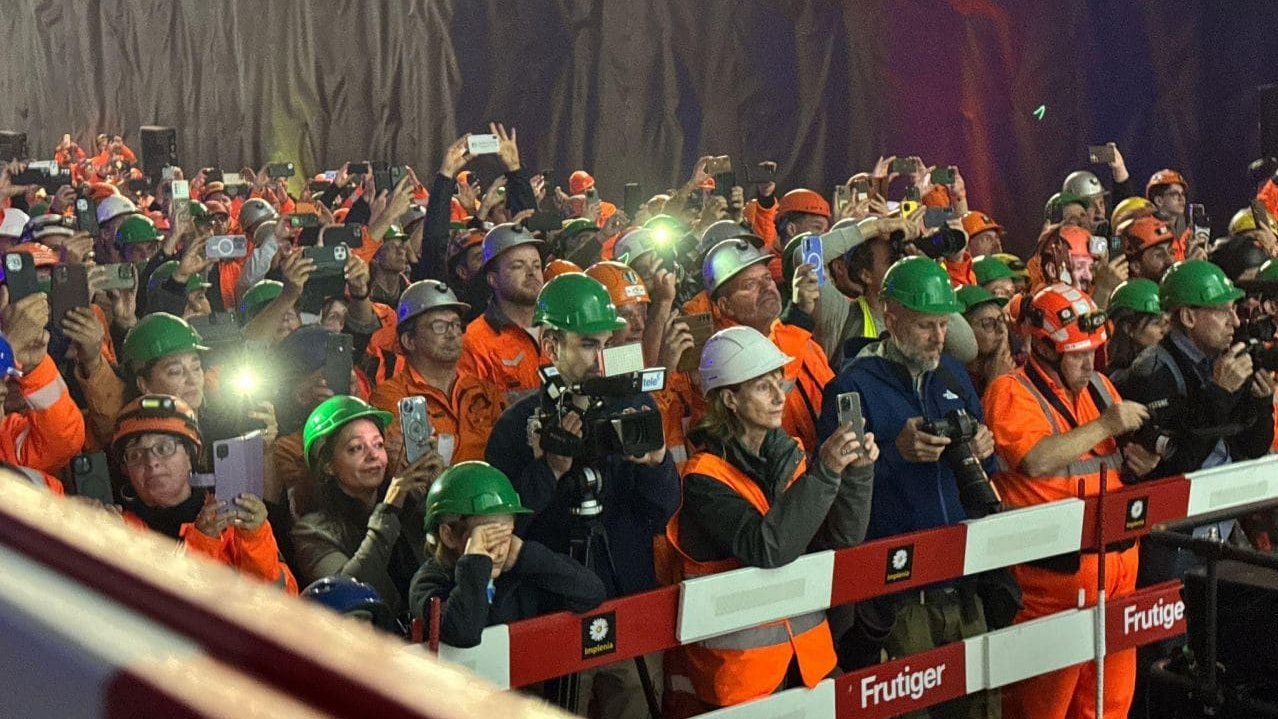
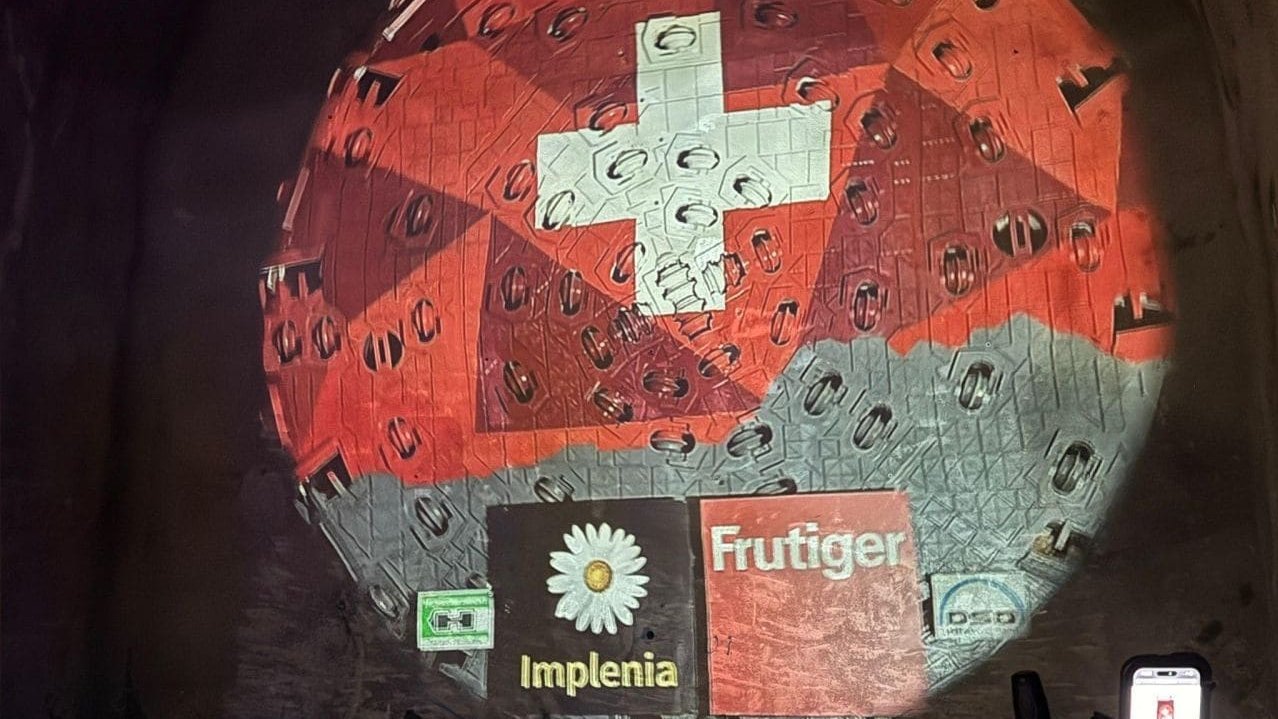
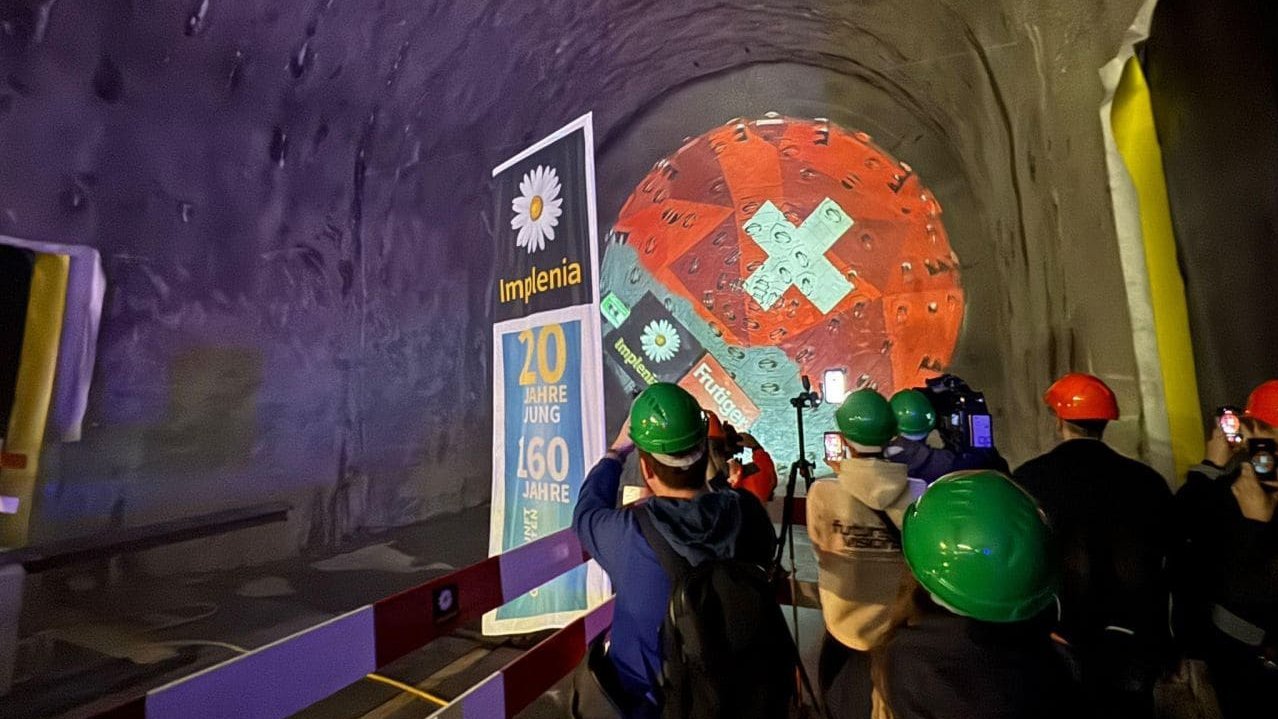
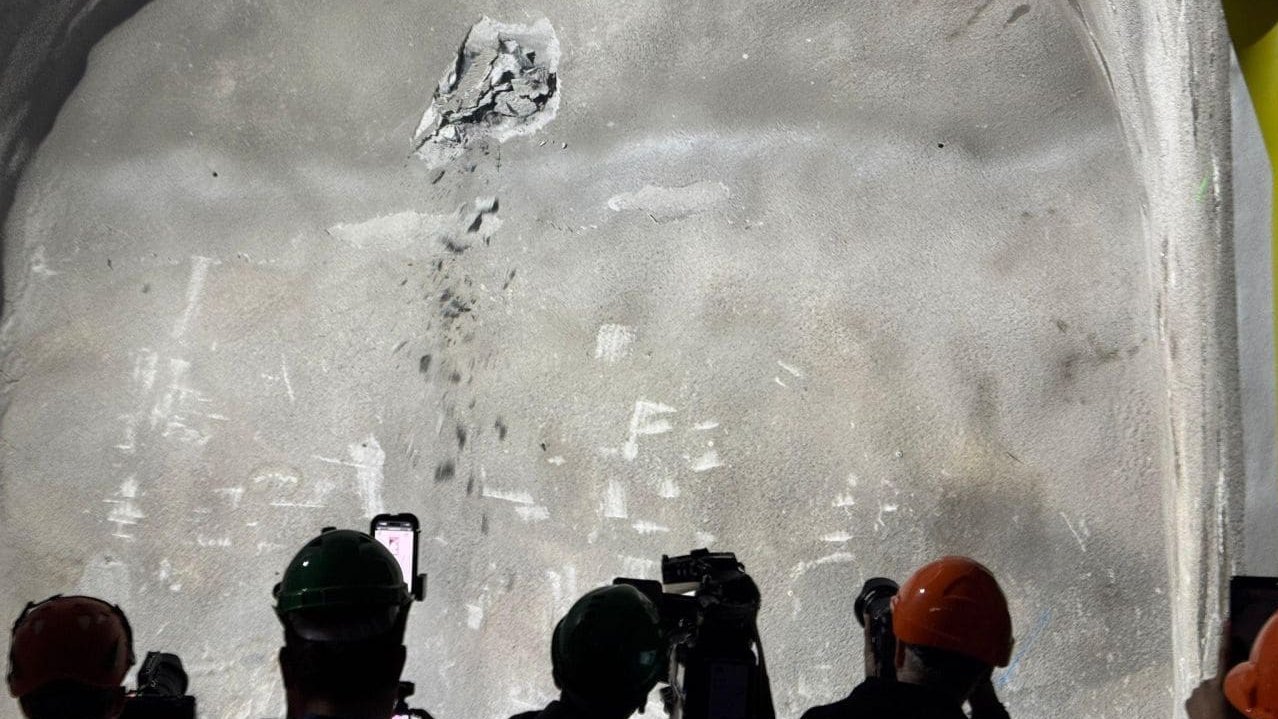
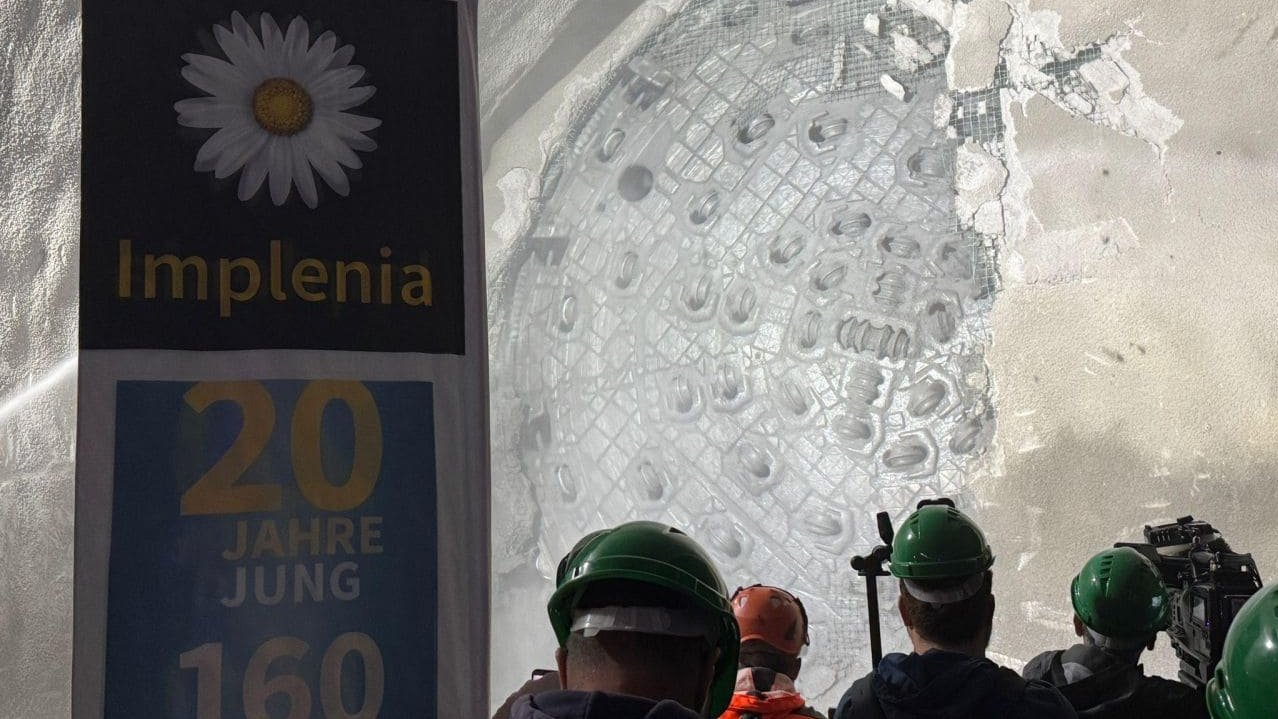
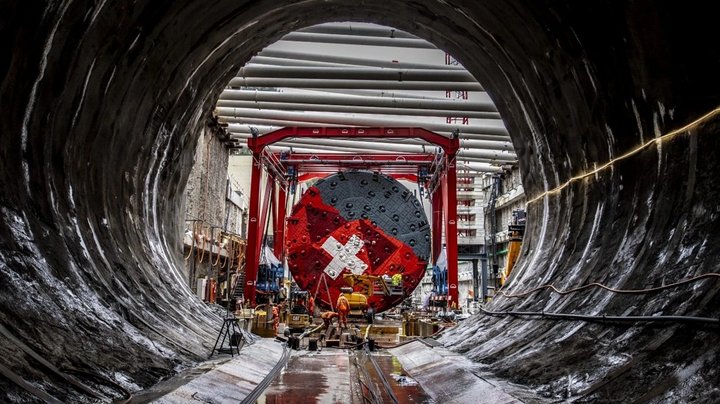
It was another great moment when the tunnel boring machine (TBM) "Alessandra" broke through the already excavated North fault zone. After around a year of driving southwards from Göschenen, the machine reached its next intermediate destination at the end of April - after around 3.8 kilometers through the mountain massif.
The breakthrough at the Gotthard in pictures
Like a big jigsaw puzzle
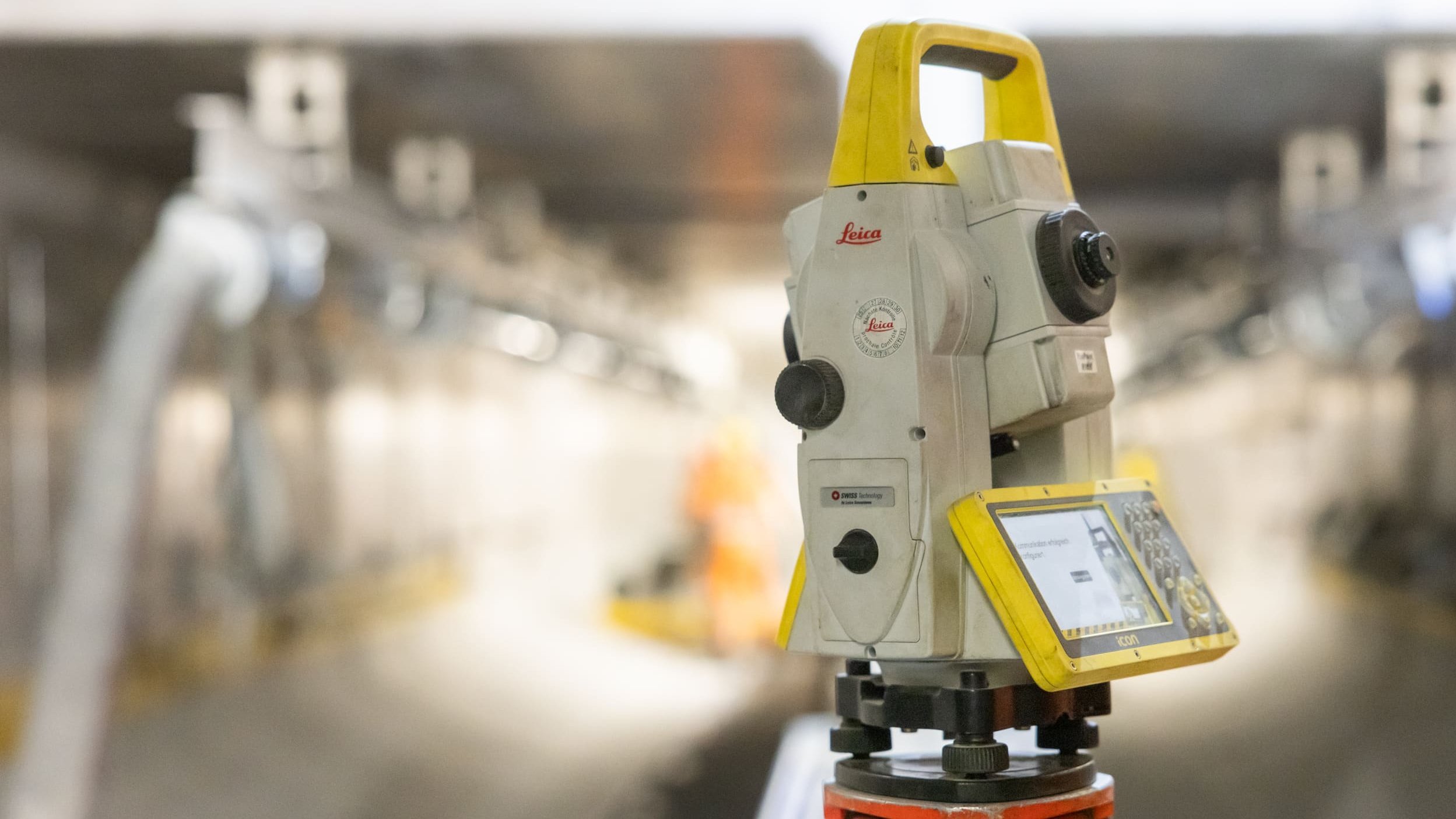
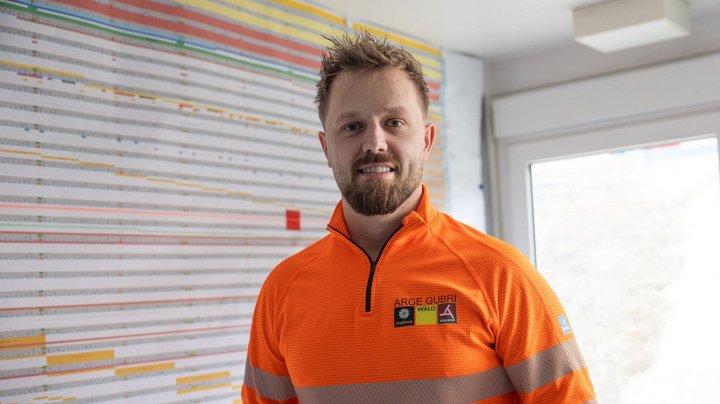
"A lot had to work together and be planned before we got here," says Gabriela Walker, engineering geologist in the video. Behind every meter of tunnel is enormous expertise - and precise planning. This applies to the TBM as well as the workflow. "The TBM requires precise planning in order to optimize production. If an error occurs, the entire operation comes to a standstill," says TBM master craftsman Alain Balatti. And site manager Julia Geist adds: "As we start the external work directly at the portal, the work processes have to be precisely coordinated."
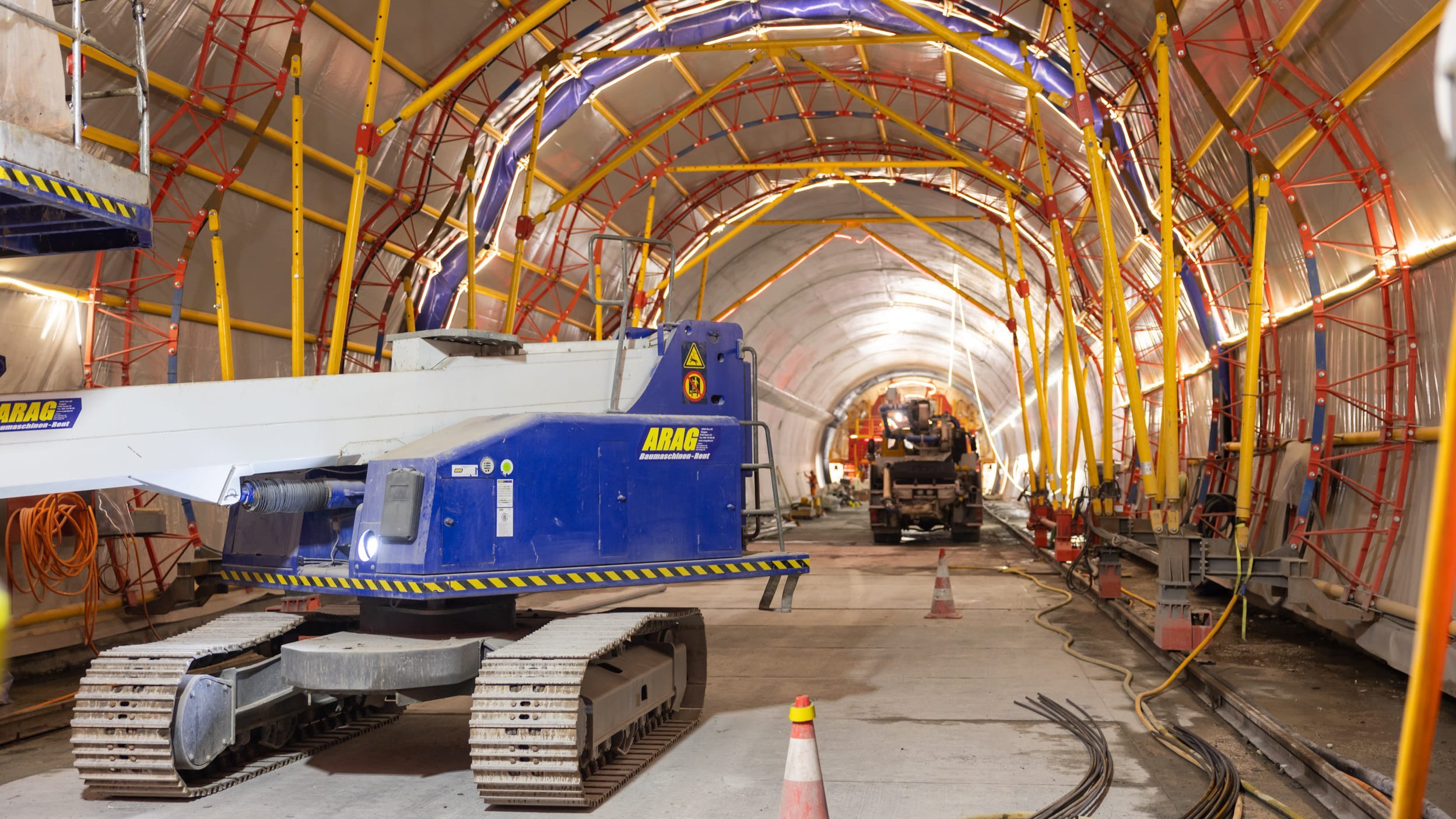
The tunnel, the machine, the exterior work and the entire construction site team have to work together like one big puzzle. And this is exactly how the new Gotthard tunnel is being built.
TikTok
Second tube for important traffic artery
The Gotthard north-south axis through the Alps is one of the most important transport links in Europe. It connects people, regions and economic areas across national borders and plays a central role in mobility and security of supply.
Since October 2022 Implenia and the Frutiger Group have been working on behalf of the Federal Roads Office FEDRO in the "ARGE secondo tubo" consortium to build the northern section of the second tube of the Gotthard road tunnel. The breakthrough is a strong signal for the efficiency of the cross-company teams and for the precision of TBM tunnelling under the most demanding geological conditions.
What happens next?
The TBM will be pulled through the approximately 400-metre-long fault zone by the summer vacations. Then "Alessandra" will tackle the remaining approx. 4 kilometers of the northern section. "When building a tunnel of this size, the geology is very important," emphasizes Gabriela Walker. "It determines how well the tunnel boring machine can drill through the rock and, if unstable zones occur, how the machine has to react to the geology."

More security for the future
The work is expected to be completed in October 2029. After the final expansion, traffic will first be routed through the new tube before the existing tube is renovated. In future, traffic will be routed separately in one lane in each direction through both tunnels - for greater safety, higher availability and a sustainable connection through the Alps.