Building in icy conditions: When winter dictates the pace
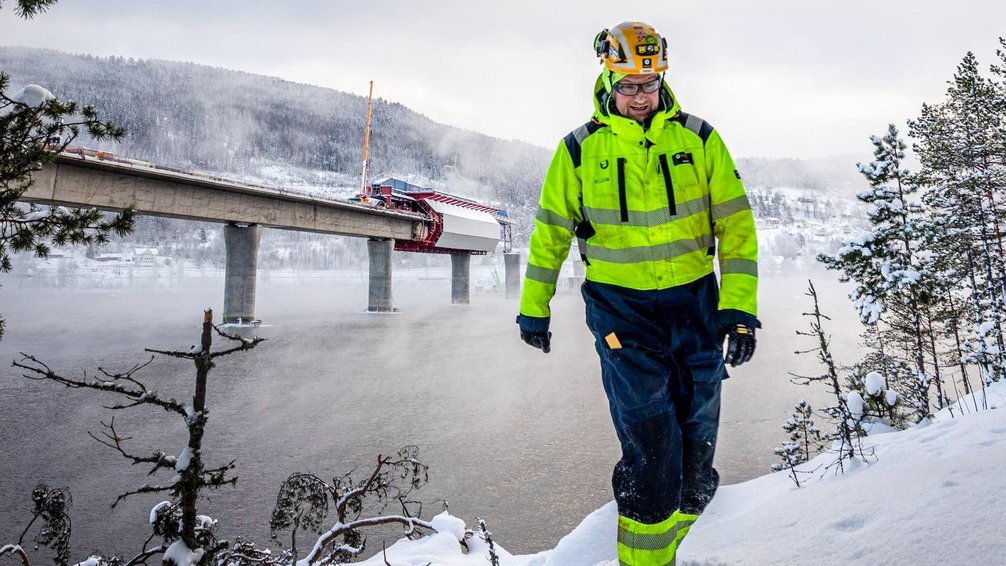
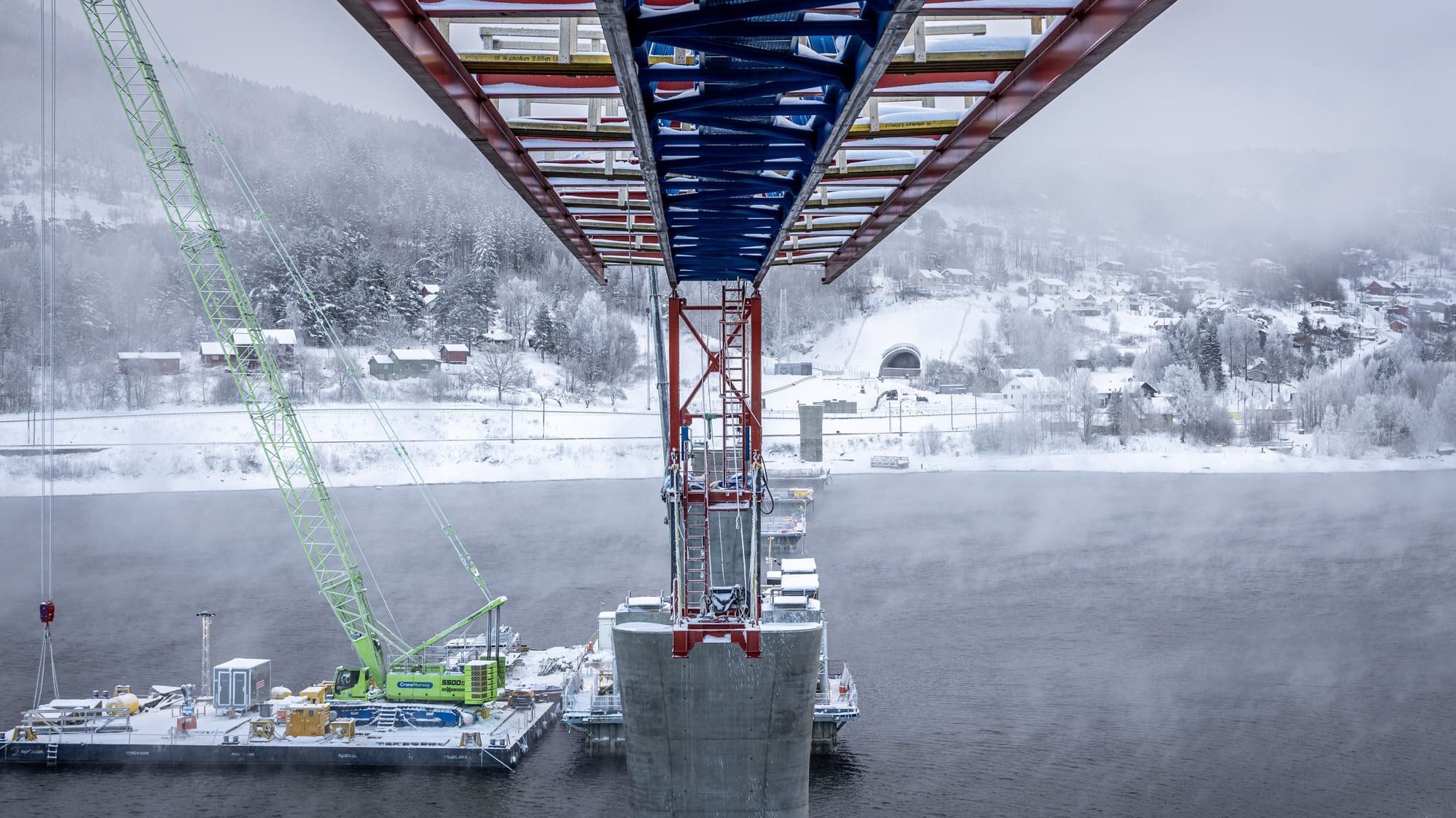
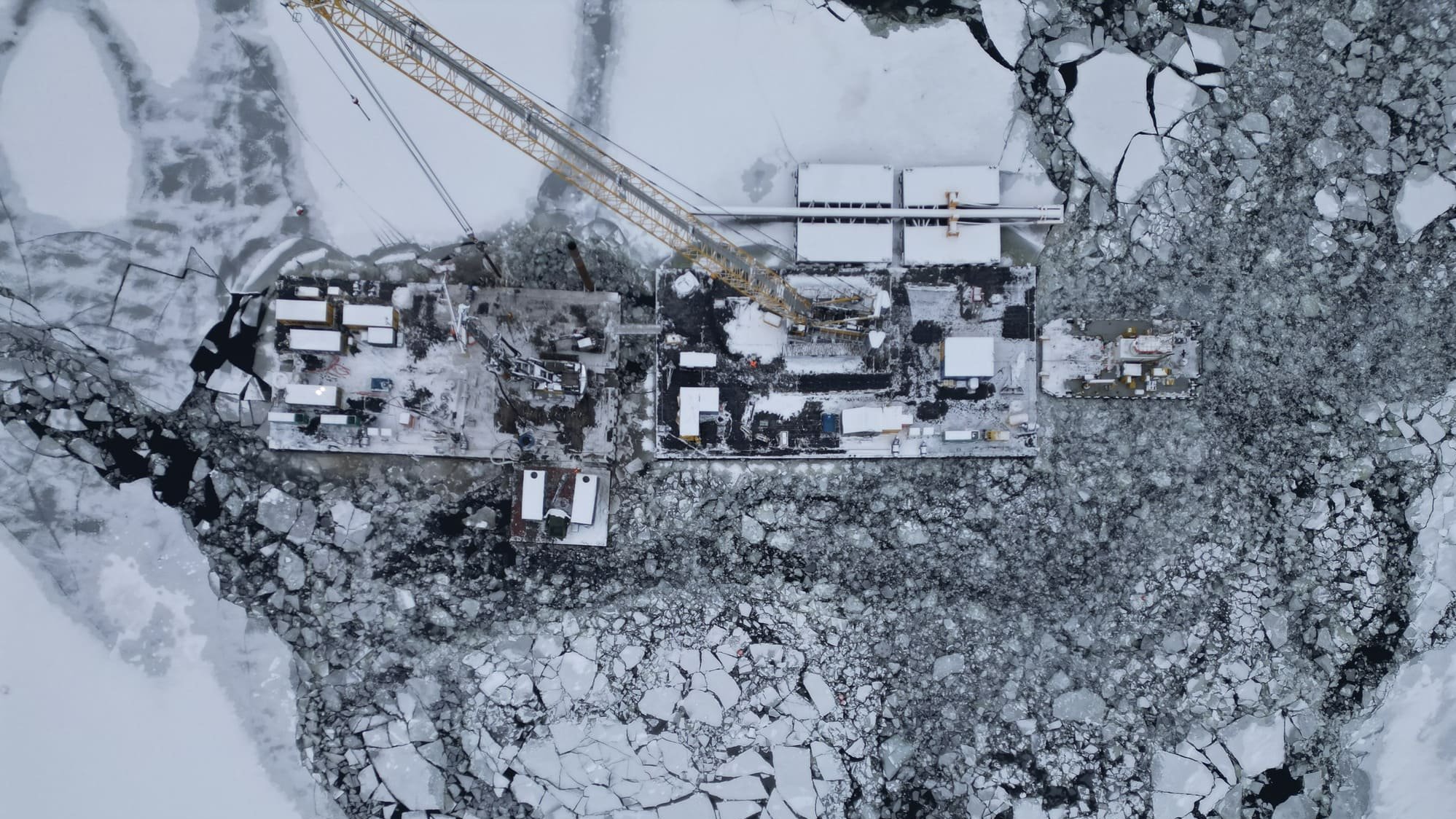
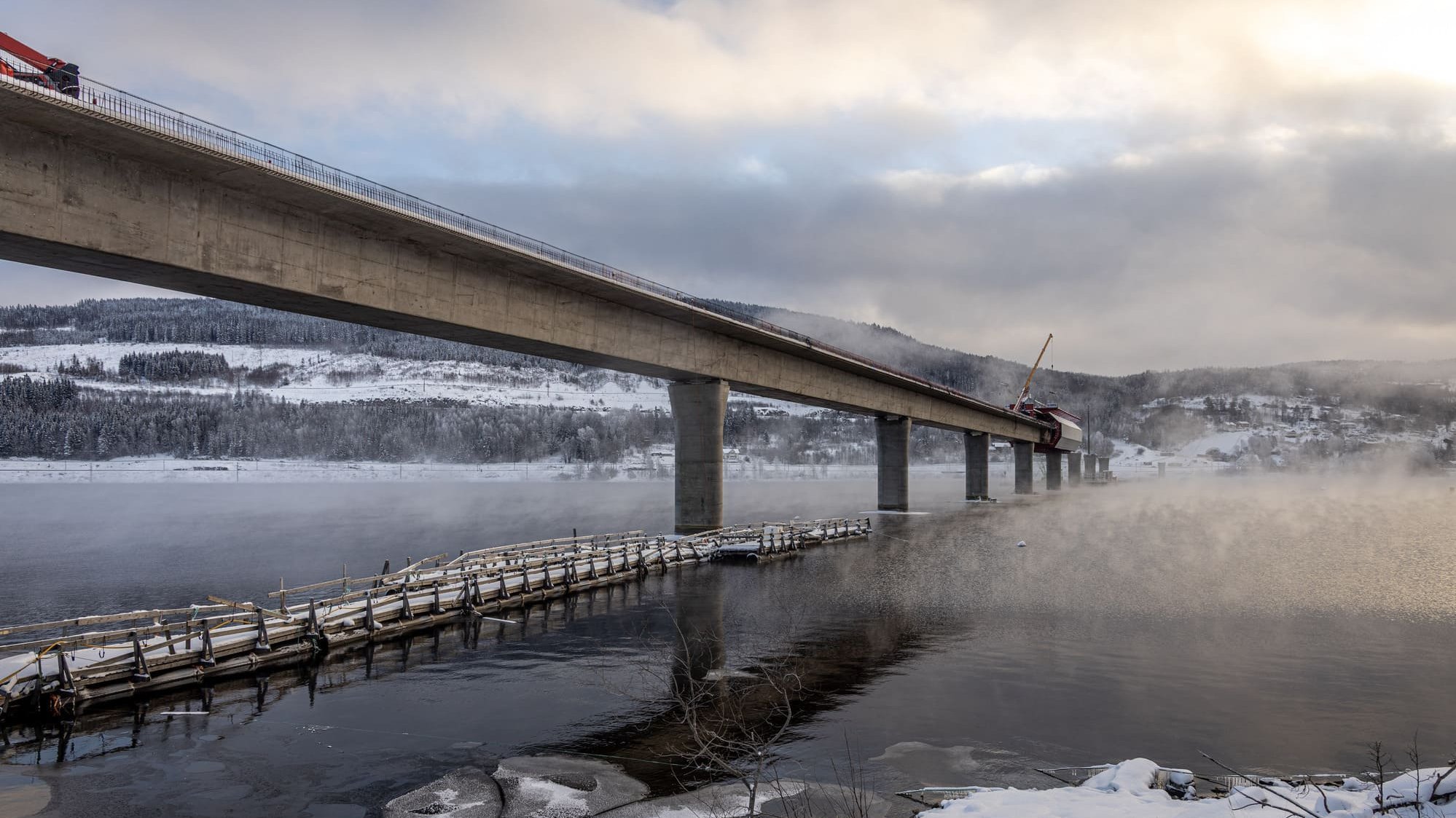
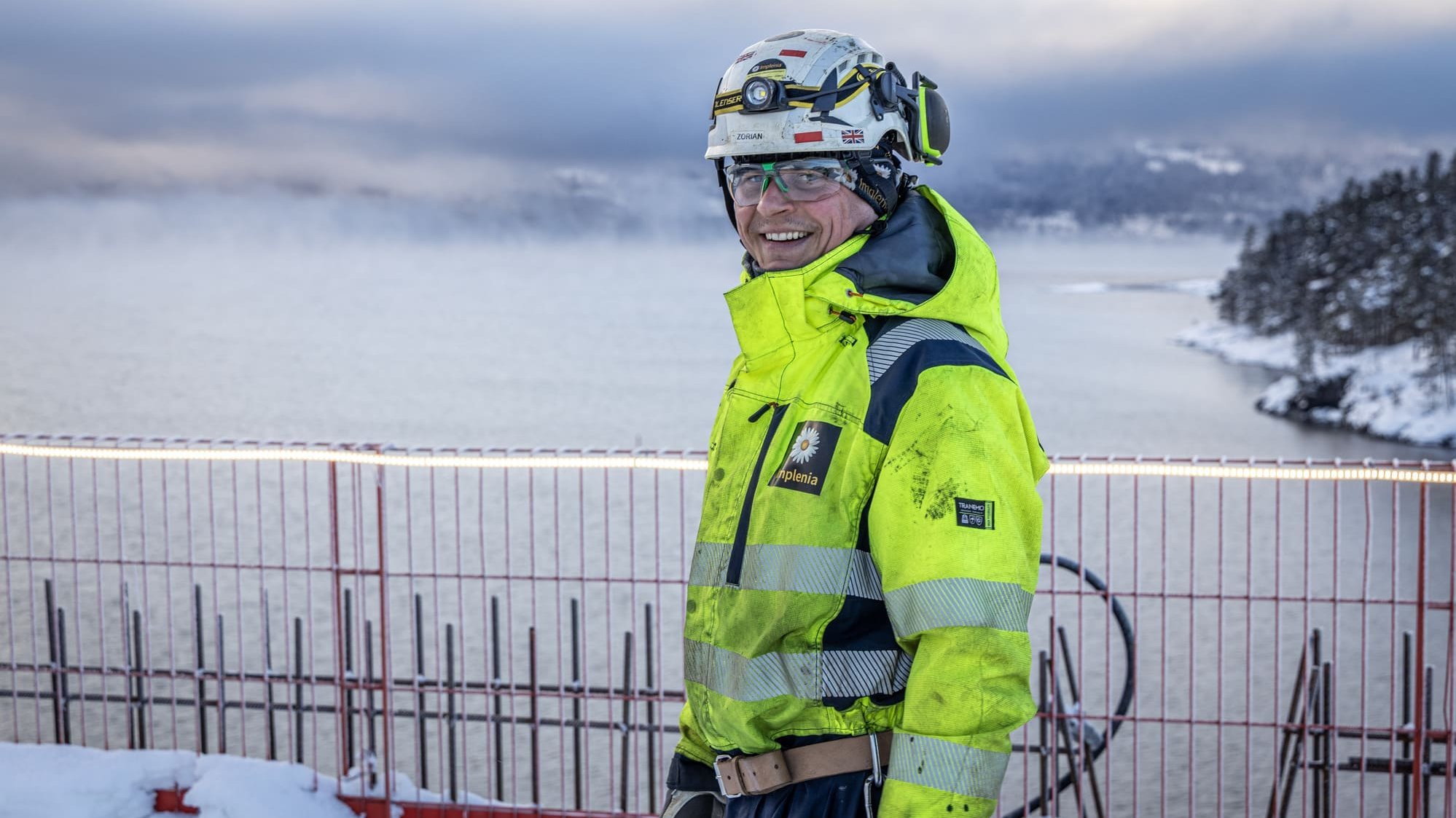
Building a railway bridge in winter weather conditions is challenging, especially when the weather and temperature change suddenly. In Tangenvika, Implenia is working in conditions that occasionally involve both freezing temperatures and heavy snowfall.
"This places high demands on planning and implementation. To meet these challenges, working methods, material use and technical equipment are continuously adapted throughout the winter," explains Implenia project manager Martin Schweizok.
Safety and working conditions in the winter cold
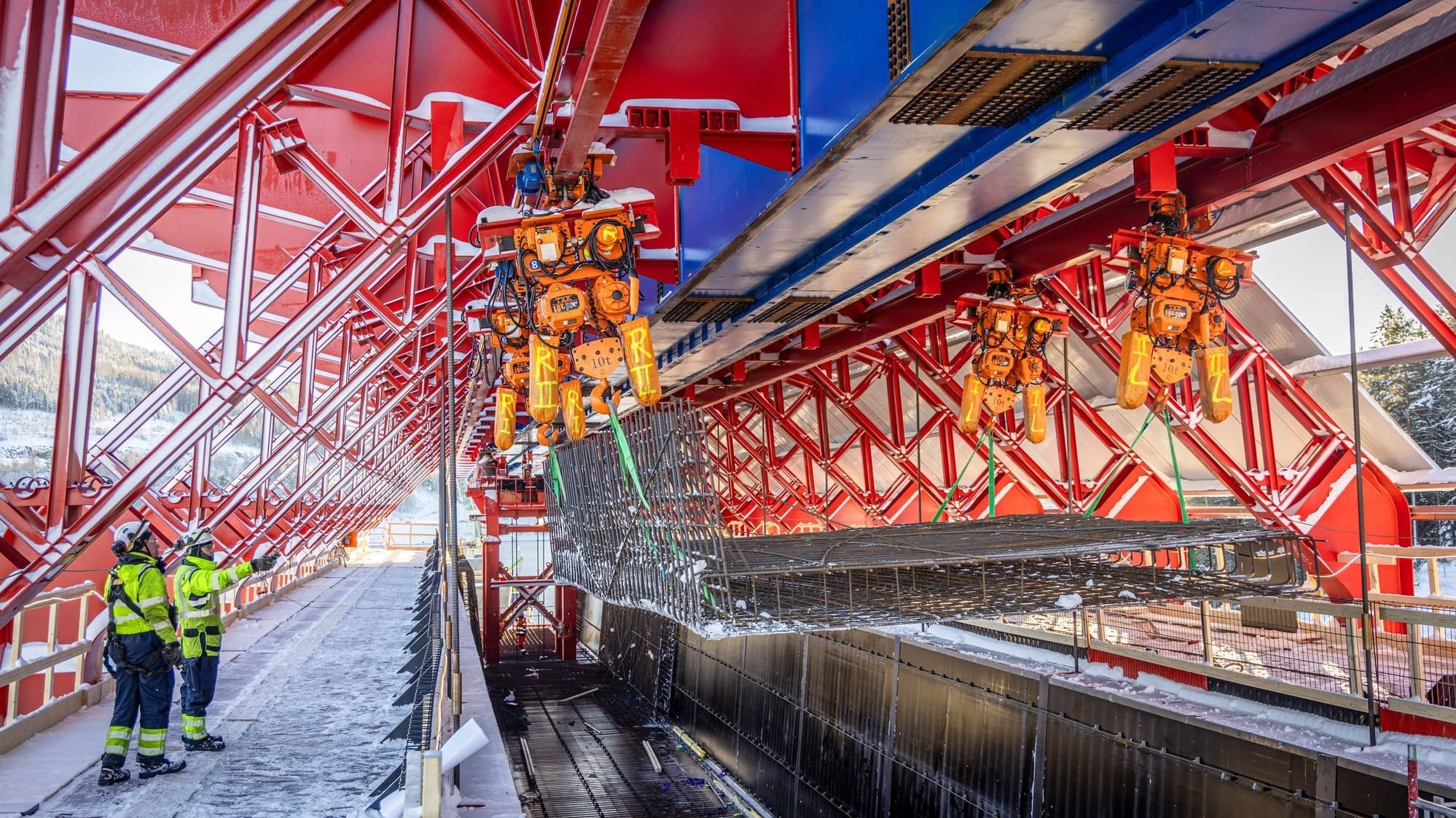
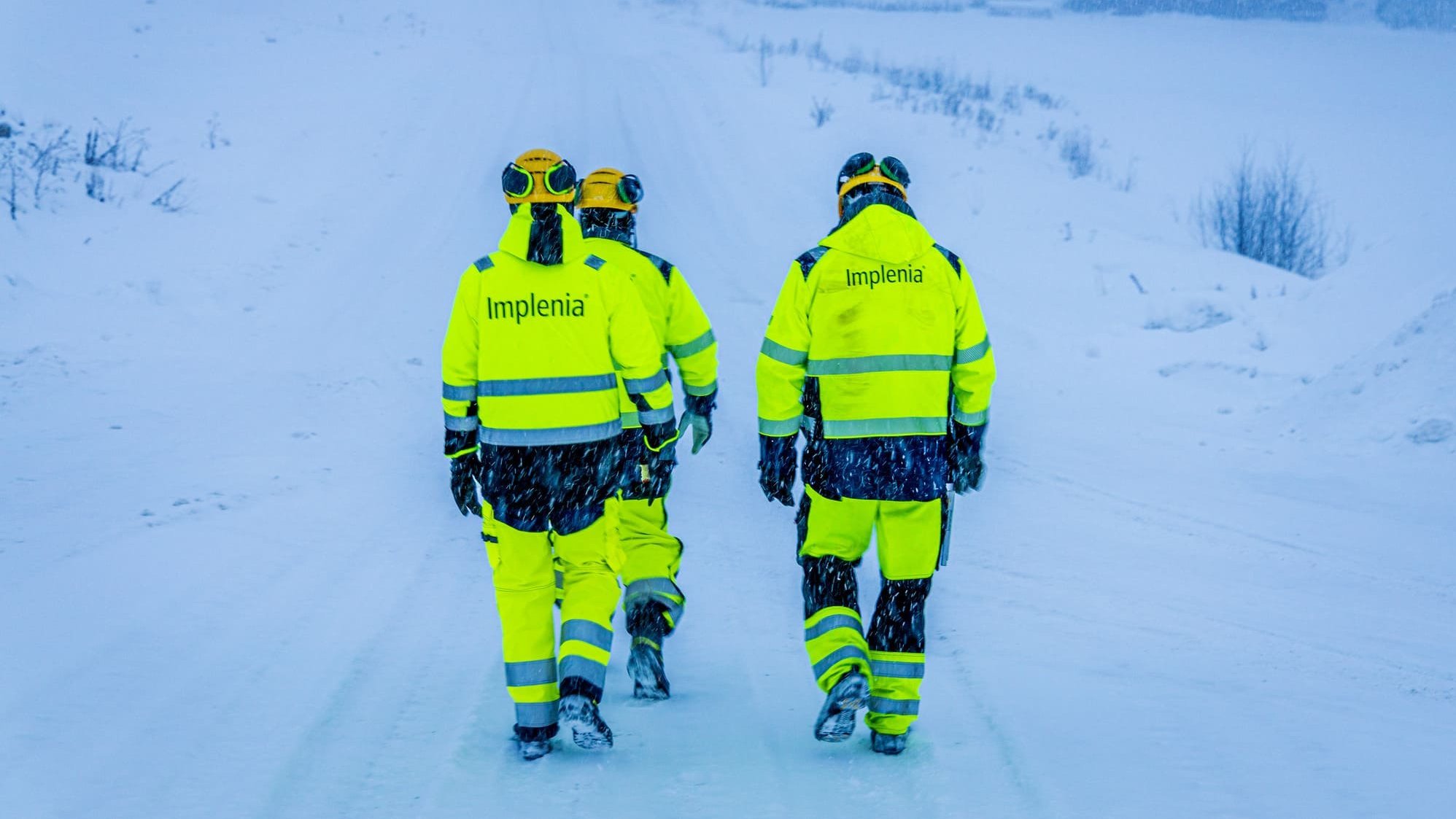
Good clothing and safe working conditions are crucial when the temperature drops. Employees on the construction site wear protective equipment and clothing that protects them from the cold and damp. It is important that their mobility is not restricted so that they can carry out their work with complete precision, even when wrapped up warm. "If they lose feeling in their fingers or their joints become stiff, the risk of mistakes and accidents increases," explains Martin Schweizok.
The Tangenvika project

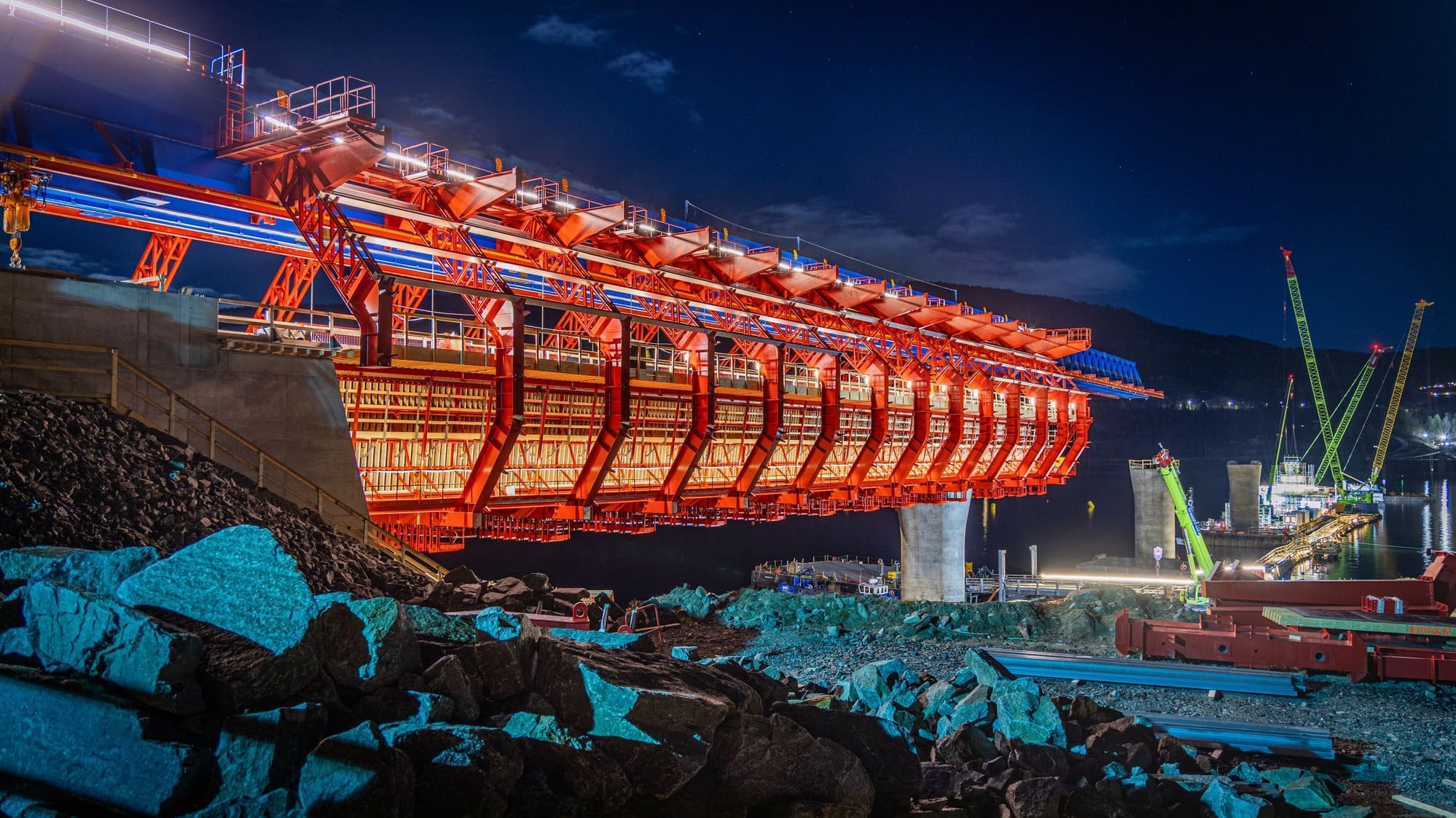
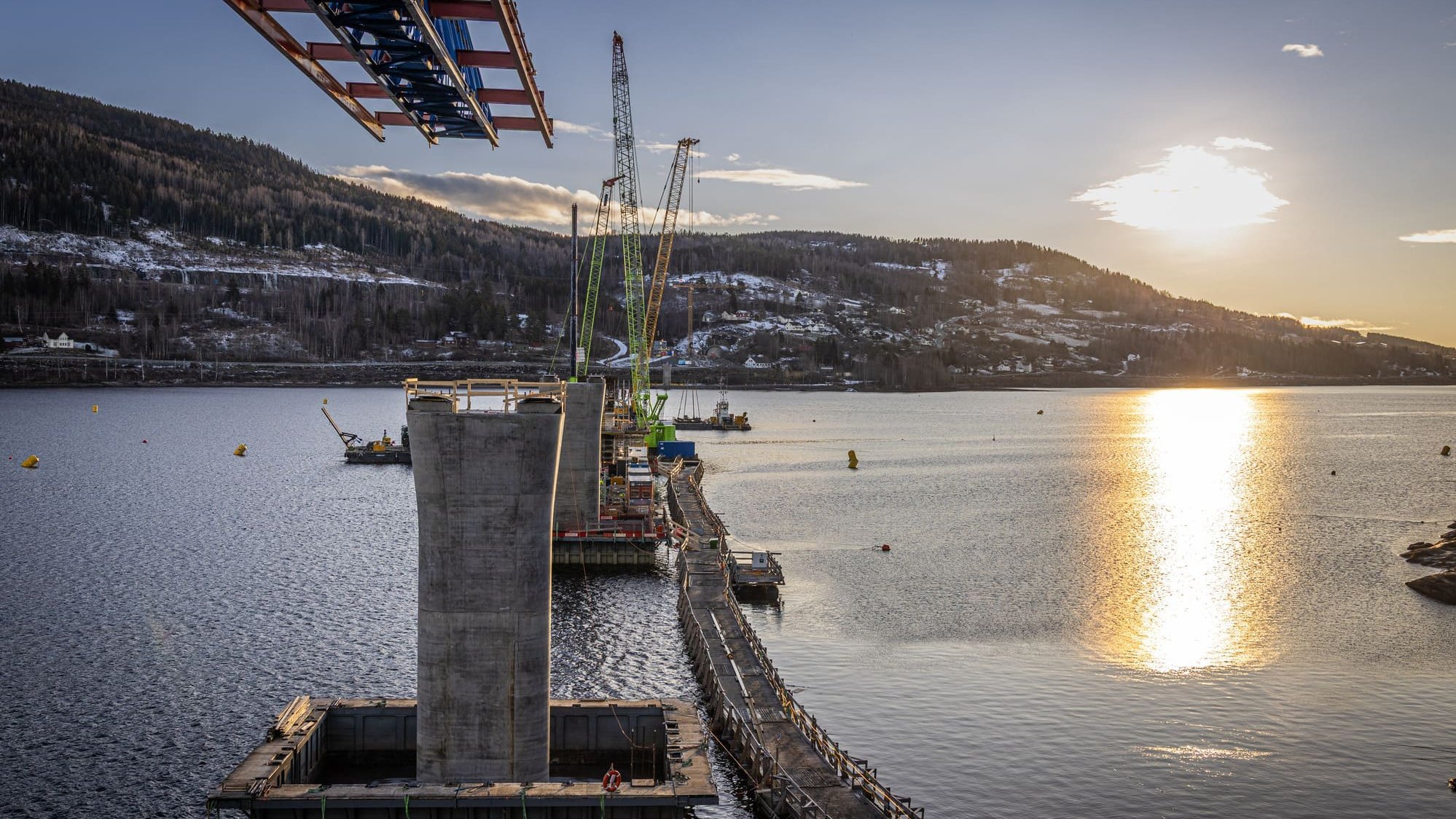
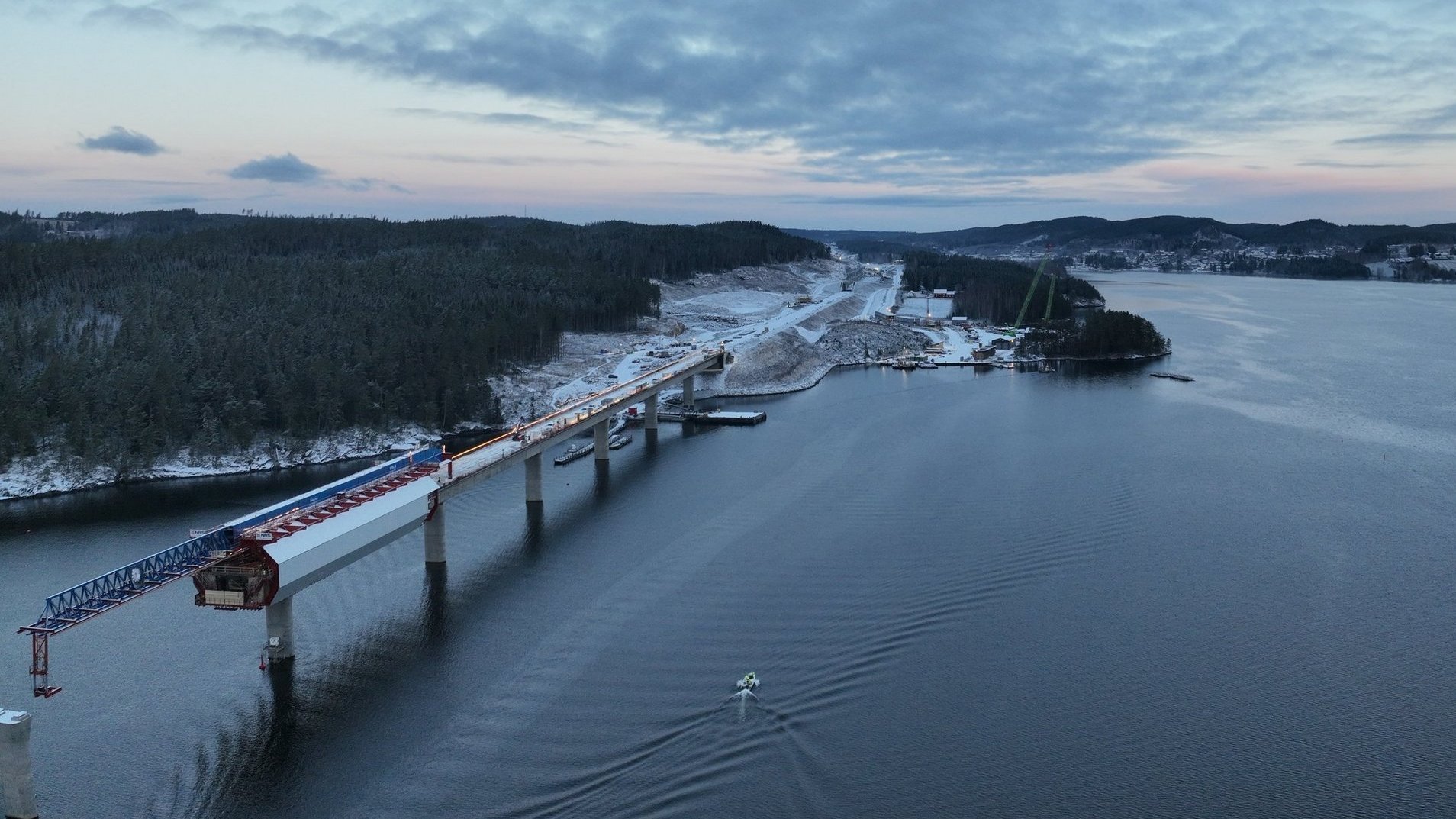
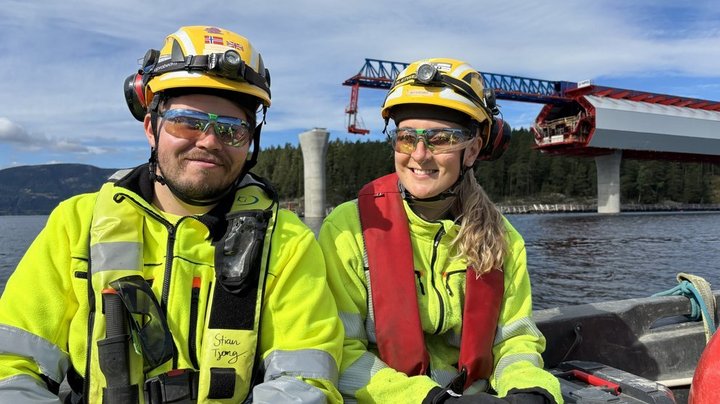
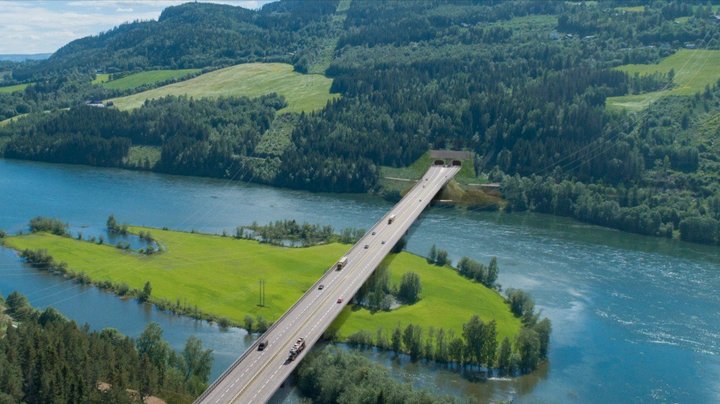
Since 2022, Implenia Norway has been building the double-track Tangenvika railway bridge, which will connect Espa and the Tangen peninsula. At 1,042 metres, it will be the longest railway bridge ever built in Norway.
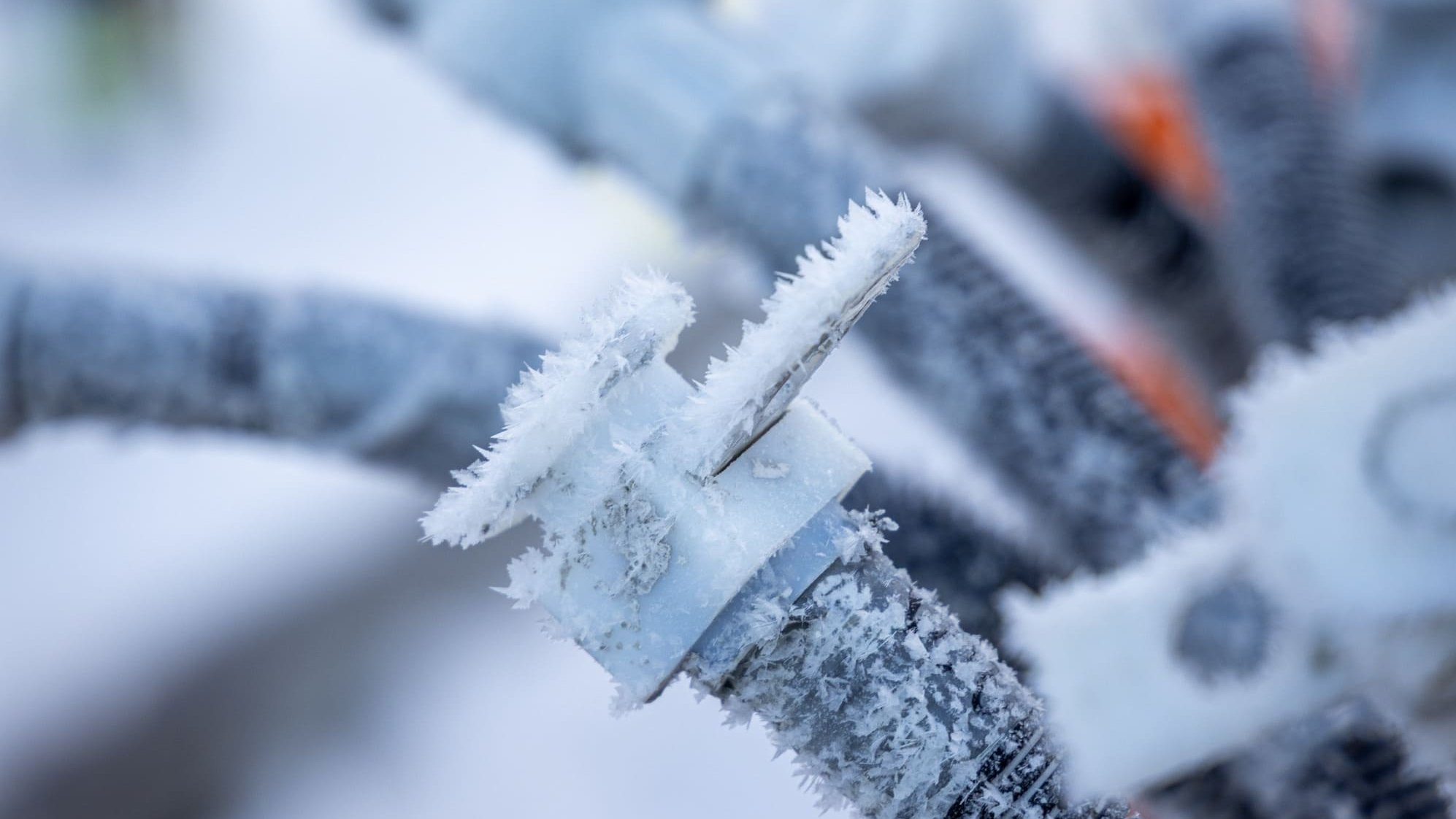
The winter cold poses major challenges in terms of formwork and work surfaces. "The formwork must be kept completely free of ice and heated so that we can pour the concrete. It's not easy when the temperature is so low and we have a lot of snow and ice. We also have to make sure that all technical equipment works at these temperatures. The cold affects hydraulics, electronics and batteries, so we always have to stay ahead of the game. This requires continuous monitoring and additional personnel," explains Martin Schweizok.
Planning according to weather and snow conditions
The workers have a roof on the MSS structure at the top of the bridge, which offers some protection from the weather. "The cover helps a lot, but the work is still extremely challenging in these conditions. We have no way of installing a roof on the foundation, so we are completely exposed to the weather there," says Martin Schweizok.
The weather forecast therefore plays a key role in planning the work. Progress is continuously adjusted, and the progress plan takes into account phases when work must be interrupted.
"When there is heavy snowfall, it's important to stop in good time, cover up and clear up manually. Then there is often more shovelling than construction work going on," he explains.
Machines that have to withstand the winter cold
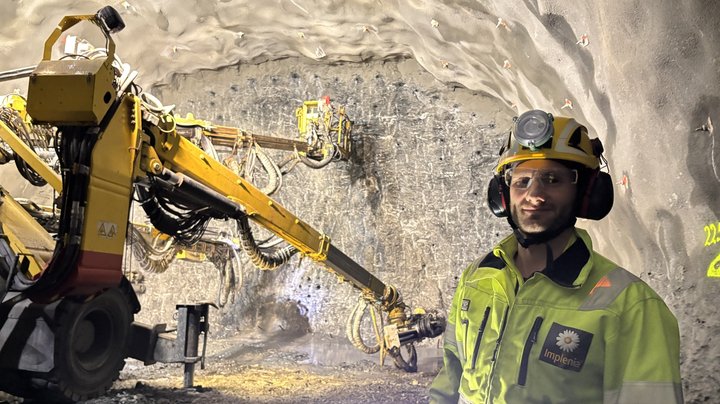
The safety measures also apply to machines and technical equipment: at low temperatures, batteries lose capacity and lubricants change their properties.
"We store batteries in heated rooms and only take them out immediately before use. Some machines are temporarily stored to ensure stable operation," says Martin Schweizok, describing the procedure. He concludes: "Working in winter conditions requires both experience and good routines. With good planning and the right measures, we can build safely and efficiently, even when winter is at its most challenging."
Building in the cold: impressions of the winter work on the Tangenvika railway bridge: